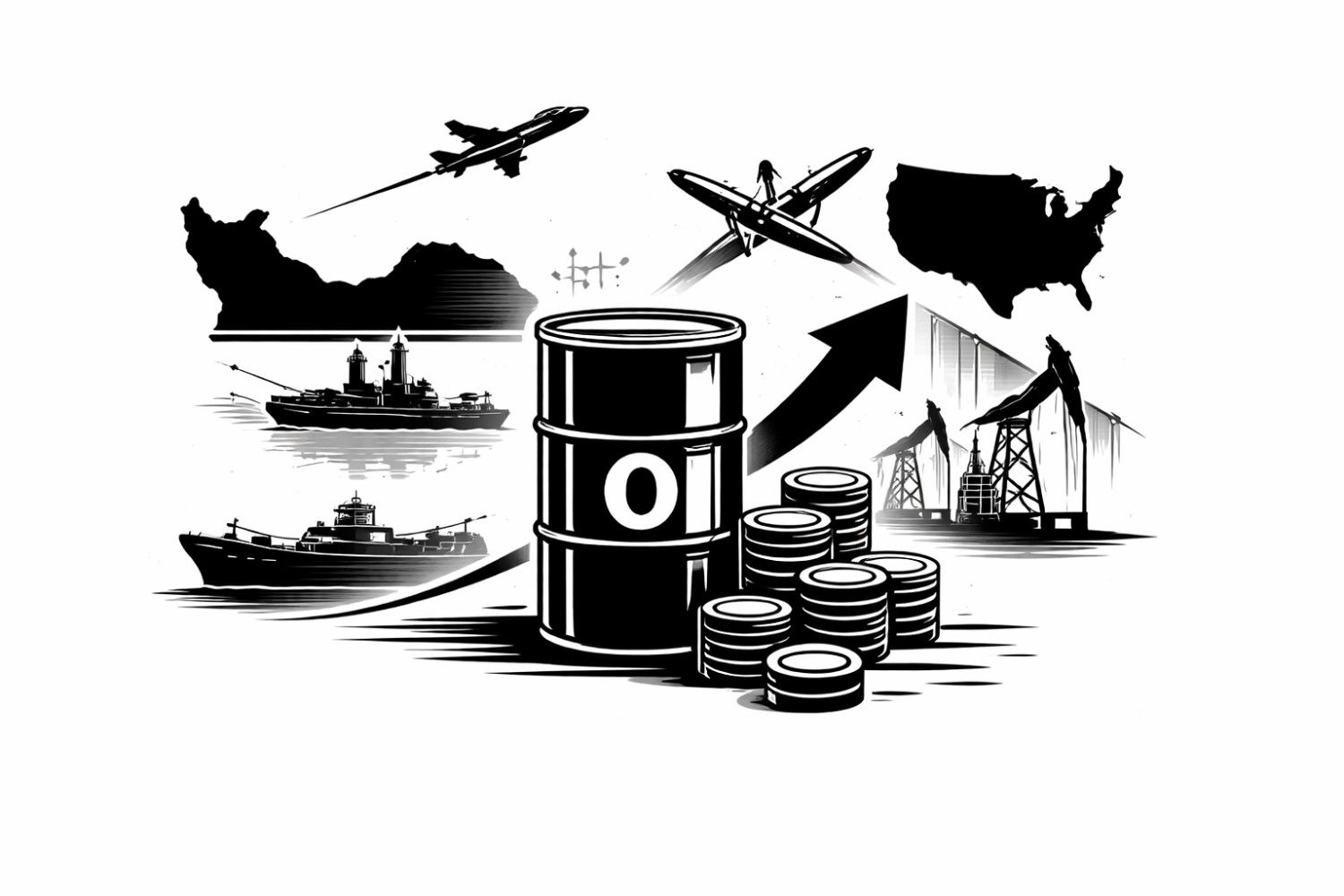
Global oil prices have moved higher as tensions between the United States and Iran intensify. The latest developments around nuclear talks, military deployments, and possible sanctions have pushed crude prices close to the $70 per barrel level.
The rise matters because oil prices directly affect fuel costs, inflation, and economic growth. For a country like India, which imports most of its crude oil, even small price increases can have a big impact on the economy and household budgets.
Oil Prices Climb Amid Geopolitical Tensions
Crude oil prices have edged higher in recent trading sessions as uncertainty around US–Iran relations continues.
Brent crude has risen to around $69 per barrel, while US West Texas Intermediate (WTI) is trading near $64–$65 per barrel.
The gains come as markets react to fragile nuclear talks between the US and Iran, reports of possible tanker seizures, and increased US military presence in the Middle East.
These developments have added a risk premium to oil prices, as traders fear potential supply disruptions.
Why US–Iran Tensions Affect Oil Prices
Iran is one of the world’s major oil producers. Any conflict or sanctions affecting Iranian exports can disrupt global supply.
Markets are currently concerned about possible military escalation in the region, new sanctions on Iranian oil shipments, and threats to tanker traffic.
The Strait of Hormuz, a key shipping route near Iran, carries nearly 20% of the world’s oil supply. Any disruption there could trigger sharp price spikes.
Recent Developments Driving the Price Rise
Several recent events have pushed oil prices upward.
Uncertain Nuclear Talks
The US and Iran have resumed discussions over Tehran’s nuclear program. While some talks showed early progress, tensions remain high and outcomes are uncertain.
Markets usually react strongly to such uncertainty, especially when it involves major oil-producing nations.
Possible Tanker Seizures
US officials are reportedly considering intercepting ships carrying Iranian crude as part of sanctions enforcement.
Analysts say such moves could trigger retaliation and disrupt shipping routes.
Military Buildup in the Region
Reports suggest the US may deploy an additional aircraft carrier to the Middle East if talks fail.
This has increased fears of a wider conflict, pushing oil prices higher.
How High Could Oil Prices Go
Analysts say the impact on prices will depend on how the situation unfolds.
In a stable scenario, oil may remain near current levels. But if Iranian exports are disrupted, prices could rise sharply.
Some forecasts suggest Brent could average around $55 per barrel in 2026 under stable conditions. In a severe disruption, prices could climb to $71 or even $90 per barrel later in the year.
This shows how sensitive oil markets are to geopolitical events.
Global Market Impact
Rising oil prices affect economies around the world.
1. Higher Fuel Costs
When crude prices rise, petrol and diesel prices usually follow. This increases transportation costs for businesses and consumers.
2. Inflation Pressures
Higher fuel prices push up the cost of food, manufacturing, logistics, and electricity. This can lead to broader inflation across economies.
3. Impact on Stock Markets
Energy stocks often gain when oil prices rise, but sectors like airlines, logistics, and manufacturing may face higher costs.
Why the Situation Matters for India
India is one of the world’s largest oil importers.
The country imports more than 80% of its crude oil needs. This means any global price increase directly affects petrol and diesel prices, LPG costs, inflation, and government finances.
Even a $5–$10 rise per barrel can significantly increase India’s import bill.
Effect on Petrol and Diesel Prices in India
If global oil prices stay high, fuel prices may rise. The government may have to cut taxes or absorb costs, and transport and logistics expenses may increase.
This could push up prices of everyday goods.
Impact on the Rupee and Trade Deficit
Higher oil prices also affect India’s currency and trade balance.
When crude prices rise, India spends more on imports, the trade deficit widens, and pressure increases on the rupee. A weaker rupee can further increase the cost of imported oil.
How Global Demand Is Also Supporting Prices
Apart from geopolitical tensions, demand trends are also influencing the market.
Recent data shows stronger oil demand from India and signs of improving consumption in major economies. These factors have added support to prices alongside geopolitical risks.
What Could Bring Prices Down
Oil prices could stabilise or fall if US–Iran talks result in a new nuclear deal, Iranian oil exports increase, or global supply rises faster than demand.
Some forecasts suggest global oil production could outpace demand by 2027, which may put pressure on prices.
Key Global Oil Price Levels to Watch
Analysts are watching a few critical price levels.
Around $70 per barrel is seen as a psychological resistance level. $80 per barrel is considered a zone where inflation pressures become stronger. Prices above $90 per barrel could signal a severe supply disruption scenario.
What Experts Say About the Current Trend
Market analysts say oil prices are currently being driven more by geopolitics than by supply-demand fundamentals.
Uncertainty around Iran has added a risk premium to crude prices, even though global inventories remain relatively stable. This means prices could change quickly depending on political developments.
What to Watch in the Coming Weeks
Key events that could affect oil prices include progress or failure of US–Iran nuclear talks, any new sanctions or military action, changes in OPEC production levels, and global demand data from major economies.
Markets are expected to remain volatile until there is more clarity.
Key Numbers to Know
Brent crude is around $69 per barrel, while WTI crude is around $64–$65 per barrel. About 20% of the world’s oil supply passes through the Strait of Hormuz. India imports over 80% of its crude oil needs.
The Bottom Line
Oil prices are rising as tensions between the United States and Iran increase. The market is reacting to uncertain nuclear talks, military movements, and possible disruptions to oil supply.
With crude prices nearing $70 per barrel, the situation could have a direct impact on fuel prices, inflation, and economic growth worldwide.
For India, which relies heavily on imported oil, the developments are especially important. Any sustained rise in global prices could affect household budgets, government finances, and the overall economy in the months ahead.
Disclaimer: The information presented in this article is intended for general informational purposes only. While every effort is made to ensure accuracy, completeness, and timeliness, data such as prices, market figures, government notifications, weather updates, holiday announcements, and public advisories are subject to change and may vary based on location and official revisions. Readers are strongly encouraged to verify details from relevant official sources before making financial, investment, career, travel, or personal decisions. This publication does not provide financial, investment, legal, or professional advice and shall not be held liable for any losses, damages, or actions taken in reliance on the information provided.
Last Updated on: Wednesday, February 11, 2026 2:47 pm by Digital Herald Team | Published by: Digital Herald Team on Wednesday, February 11, 2026 2:47 pm | News Categories: News