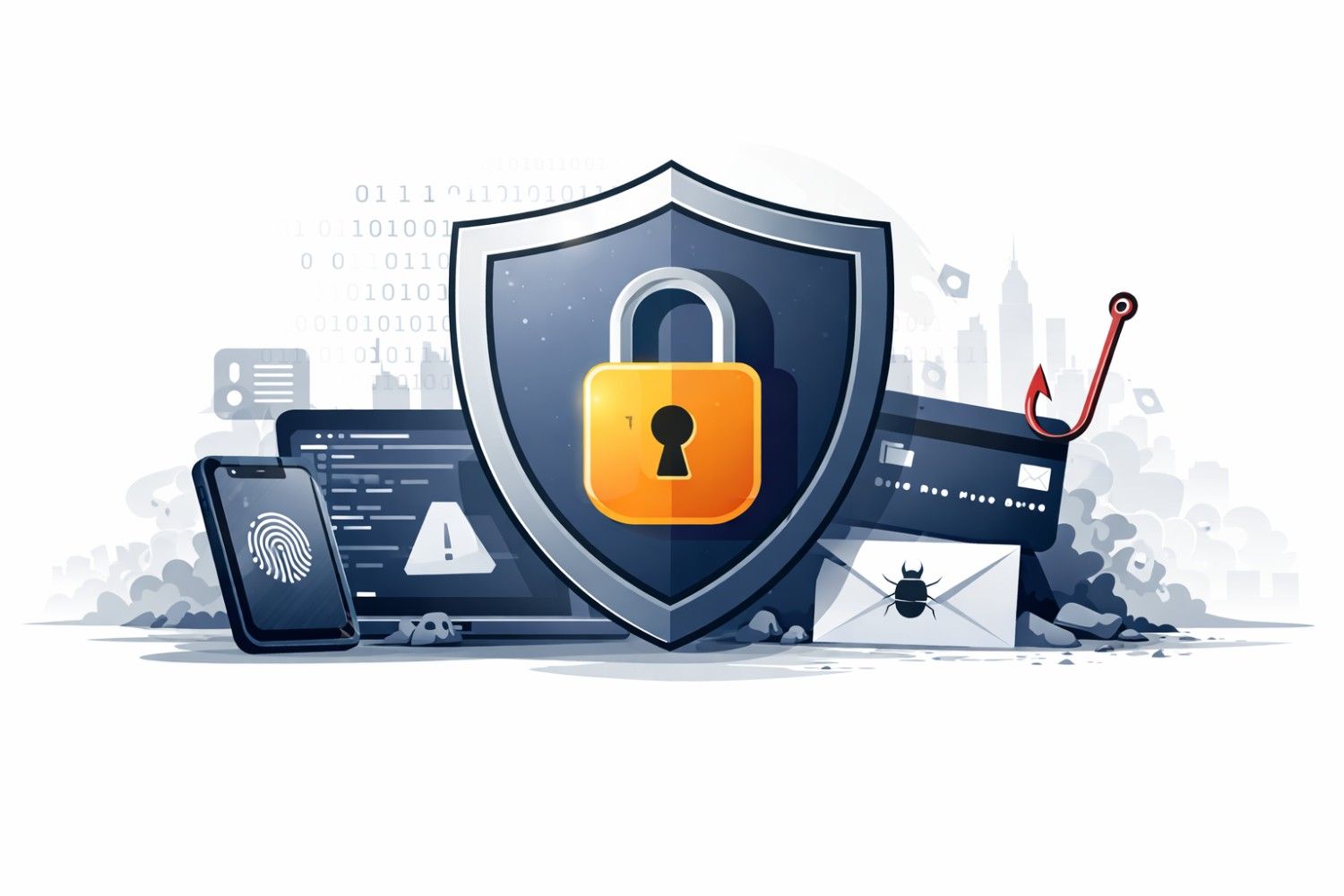
Cybersecurity has become a top concern for Indian users in 2026, as online fraud, data leaks, and digital scams continue to rise. With more people using smartphones, digital payments, and cloud services, protecting personal and financial data has become essential for everyday life.
From banking apps to social media accounts, most daily activities now happen online. This shift has made individuals, small businesses, and large companies more vulnerable to cyber threats. As a result, cybersecurity awareness is trending across India, with users actively searching for ways to keep their data safe.
Why Cybersecurity Matters More in 2026
India’s digital economy has grown rapidly in recent years. Millions of people now rely on UPI payments, online banking, e-commerce, and remote work tools. While this has improved convenience, it has also increased the risk of cyberattacks.
Cybercriminals are using more advanced tactics such as phishing links, fake apps, identity theft, and ransomware. Many of these attacks target ordinary users rather than large companies.
Experts say that most cyber incidents happen because of simple mistakes, such as weak passwords, clicking unknown links, or installing unsafe apps. This means basic precautions can prevent a large number of attacks.
Common Cyber Threats Facing Indian Users
Several types of online threats are affecting users across the country.
Phishing scams remain one of the most common. These involve fake emails, SMS messages, or WhatsApp links that appear to come from banks, delivery services, or government agencies. Once users click the link, attackers can steal passwords or financial details.
UPI fraud is another growing issue. Scammers trick users into approving payment requests or sharing OTPs. Many cases involve fake customer care numbers or social media ads.
Malware and fake apps are also a major concern. Some apps look legitimate but contain hidden software that steals data or tracks user activity.
Data breaches have increased as well. When companies suffer hacks, customer information such as phone numbers, email addresses, and passwords can be leaked online.
Top Cybersecurity Tips for 2026
Use strong and unique passwords
Every online account should have a strong, unique password. Avoid using simple passwords like “123456” or personal details such as birthdates.
A good password should include at least 12 characters with a mix of letters, numbers, and symbols, and should not contain common words or names. Using a password manager can help create and store secure passwords.
Enable two-factor authentication (2FA)
Two-factor authentication adds an extra layer of security. Even if someone gets your password, they cannot log in without the second step, such as an OTP or authentication app code.
Experts recommend enabling 2FA on banking, email, social media, and payment apps.
Never share OTPs or banking details
Banks and payment platforms never ask for OTPs, PINs, or passwords over calls or messages.
If someone claims to be from a bank and asks for such details, it is almost always a scam. Ending the call and contacting the official customer support number is the safest option.
Download apps only from official stores
Always install apps from Google Play Store or Apple App Store. Avoid downloading APK files from unknown websites or links.
Before installing any app, check the developer’s name, user reviews, and the number of downloads. Fake apps often have poor reviews or unusual permissions.
Keep devices and apps updated
Software updates are not just about new features. They often include security patches that fix known vulnerabilities.
Keeping your phone, laptop, and apps updated is one of the easiest ways to stay protected.
Be careful with public Wi-Fi
Public Wi-Fi networks at airports, cafes, and malls can be risky. Hackers may use these networks to intercept data.
Avoid logging into banking or payment apps on public Wi-Fi. If necessary, use a secure VPN connection.
Back up important data regularly
Regular backups protect against ransomware and device failures. Important files, photos, and documents should be stored in cloud storage, external hard drives, or secure backup services.
Having a backup ensures that data is not lost even if a device is hacked or damaged.
Cybersecurity Tips for Smartphone Users
Smartphones are the primary internet device for most Indians, so protecting them is critical.
Users should set a strong screen lock using a PIN, fingerprint, or face unlock. They should avoid connecting to unknown Bluetooth devices, turn off unnecessary app permissions, and log out of accounts on shared devices.
Installing a trusted mobile security app can also provide an extra layer of protection.
Safety Tips for Online Payments and UPI
Digital payments have become part of daily life. Following basic safety rules can prevent most UPI fraud cases.
Users should check payment requests carefully before approving them. It is important to remember that receiving money never requires entering a PIN. They should also avoid scanning QR codes from unknown sources and use only official apps for payments and banking.
If a suspicious transaction occurs, it should be reported immediately to the bank or payment app.
Cybersecurity for Work-from-Home Users
Remote work remains common in 2026, creating new risks, especially for employees using personal devices.
Workers should use company-approved software and VPNs, avoid saving work files on personal devices, lock screens when stepping away from the computer, and use secure passwords for work accounts.
Many companies are also increasing training and awareness programs to reduce cyber risks.
How Parents Can Protect Children Online
Children and teenagers are spending more time online for education and entertainment, making digital safety important for families.
Parents can set parental controls on devices, monitor app downloads and screen time, and teach children not to share personal information online. Encouraging safe browsing habits and having open conversations about online risks can help children make safer choices.
What to Do If You Become a Victim of Cyber Fraud
Quick action can reduce damage after a cyber incident.
If money is stolen or an account is hacked, the user should contact the bank or payment app immediately, change passwords for affected accounts, and report the incident to the national cybercrime helpline 1930. A complaint can also be filed on the official cybercrime reporting portal.
Early reporting increases the chances of recovering lost funds.
Cybersecurity Trends to Watch in 2026
Several trends are shaping cybersecurity this year.
AI-powered scams are becoming more common, with criminals using artificial intelligence to create realistic phishing messages and fake voices.
Biometric security is growing, as more devices now use fingerprints and face recognition.
Cloud security is also gaining importance as more data moves online.
Governments and companies are investing more in cybersecurity infrastructure to keep up with these evolving threats.
Role of Awareness in Reducing Cybercrime
Experts say awareness is the most effective defence against cybercrime. Many attacks succeed because users do not recognize warning signs.
Public campaigns, school programs, and workplace training are helping improve digital safety habits. As more people learn basic cybersecurity practices, the success rate of scams is expected to decline.
Bottom Line
Cybersecurity is becoming a daily concern for Indian users in 2026, as digital services continue to expand. From banking apps to social media, protecting personal data is now a basic life skill.
Simple steps like using strong passwords, enabling two-factor authentication, and avoiding suspicious links can prevent most cyberattacks.
With cyber threats evolving every year, staying alert and informed is the best way to keep your data safe in 2026 and beyond.
Disclaimer: The information presented in this article is intended for general informational purposes only. While every effort is made to ensure accuracy, completeness, and timeliness, data such as prices, market figures, government notifications, weather updates, holiday announcements, and public advisories are subject to change and may vary based on location and official revisions. Readers are strongly encouraged to verify details from relevant official sources before making financial, investment, career, travel, or personal decisions. This publication does not provide financial, investment, legal, or professional advice and shall not be held liable for any losses, damages, or actions taken in reliance on the information provided.
Last Updated on: Tuesday, February 17, 2026 10:47 am by Digital Herald Team | Published by: Digital Herald Team on Tuesday, February 17, 2026 10:47 am | News Categories: Lifestyle