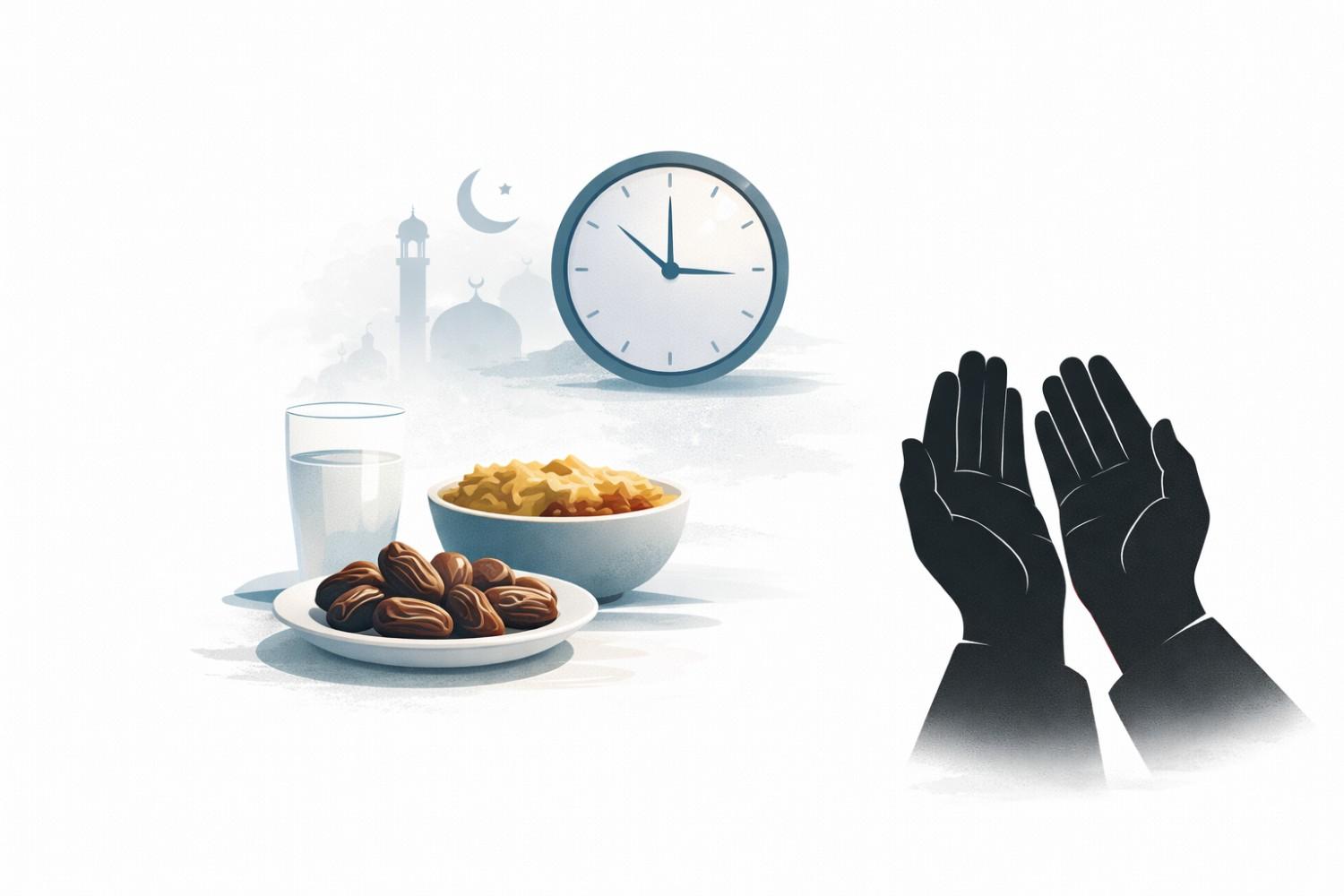
As the holy month of Ramadan begins, searches for Sehri time and Sehri dua are rising sharply across India. From major cities to small towns, millions of Muslims are preparing for daily fasts, and online platforms are seeing strong engagement around prayer timings, duas, and fasting guidelines.
The increase in searches reflects both spiritual preparation and the growing use of digital tools during religious observances. With Ramadan observed by a large Muslim population in India, accurate Sehri timings and correct duas have become key search trends during the early hours of the morning.
For Indian readers, this trend shows how faith and technology are closely linked in today’s connected world.
What Is Sehri and Why Is It Important?
Sehri, also known as Suhoor, is the pre-dawn meal consumed before the daily fast begins during Ramadan. It must be completed before the Fajr prayer time.
The fast begins at dawn and ends at sunset with Iftar. Sehri plays a crucial role in helping individuals maintain strength throughout the day.
Religious scholars emphasise that eating Sehri is a recommended practice in Islam. It is seen as a blessed meal and part of the daily routine during Ramadan.
Because fasting hours can vary depending on location and season, knowing the exact Sehri time is essential.
Why Sehri Time Searches Are Trending in India
India’s vast geography means Sehri time differs from city to city. The timing in Delhi is not the same as in Mumbai, Hyderabad, or Kolkata.
As Ramadan begins, people search for “Sehri time today,” “Fajr time,” and city-specific prayer schedules.
Mobile apps, mosque announcements, and Islamic organisations provide daily timetables. However, many people still double-check online before waking up for Sehri.
Search engines typically see a surge in traffic between 3:00 AM and 5:00 AM during Ramadan.
This pattern has become consistent over recent years.
Understanding Sehri Dua
Along with Sehri timings, searches for Sehri dua are also increasing.
The Sehri dua is a prayer recited before beginning the fast. It expresses the intention to fast for the sake of Allah.
Reciting the intention for fasting is important in Islamic practice. Many believers search for the correct Arabic wording and its translation.
Digital platforms have made access easier. People now share dua images, audio recitations, and short reminder videos.
Religious apps and social media pages post daily reminders to help followers observe the fast correctly.
Ramadan 2026: Observances Rise Across India
This year’s Ramadan observances appear to be marked by strong community participation.
Mosques across major cities are organising special Taraweeh prayers. Markets are witnessing increased activity in the evenings as families prepare for Iftar.
Online grocery platforms report higher demand for dates, fruits, and traditional Ramadan food items.
Charitable activities also increase during Ramadan. Donations and community support initiatives often peak during this month.
The growing digital interest around Sehri time and dua highlights how preparation now begins online.
City-Wise Variation in Sehri Time
Because India spans multiple time zones in practice, even if officially under one time zone, sunrise timings differ slightly from region to region.
For example, eastern cities may experience earlier sunrise compared to western cities.
As a result, residents must follow local prayer calendars.
Islamic organisations publish Ramadan timetables at the beginning of the month. These timetables list daily Sehri and Iftar timings for all 29 or 30 days, depending on the lunar cycle.
People are advised to rely on verified local sources to avoid confusion.
Role of Mosques and Religious Authorities
Mosques play an important role in sharing accurate prayer timings.
Announcements through loudspeakers before Fajr prayer remain common in many areas.
Local religious leaders often remind worshippers about correct Sehri practices and fasting rules.
Many mosques also share digital calendars through messaging apps.
The combination of traditional and digital communication ensures that communities stay informed.
Health and Nutrition During Sehri
Doctors and nutrition experts often advise balanced meals during Sehri.
Hydration is key, especially when fasting hours are long.
Foods rich in protein and fibre are generally recommended to sustain energy levels.
Avoiding excessive sugar and salty foods can help reduce thirst during the day.
Health awareness posts related to Sehri are also trending online.
This shows how Ramadan observance now includes both spiritual and health considerations.
Technology and Faith: A Growing Link
Digital tools have transformed how people observe Ramadan.
Prayer time apps send notifications before Sehri and Iftar.
Smartphones act as alarm clocks for early morning meals.
Streaming platforms broadcast religious lectures and Quran recitations.
Social media influencers share daily Ramadan reminders, including Sehri dua and motivational messages.
The online trend around Sehri time reflects this digital shift.
Community Spirit and Shared Experience
Ramadan is not only about fasting. It is also about unity, reflection, and charity.
Families wake up together for Sehri, strengthening bonds.
Community kitchens distribute meals to those in need.
In many cities, volunteers organise free Sehri and Iftar services.
The increased search interest indicates collective participation.
Digital platforms amplify this shared experience.
Why This Trend Matters Today
The rise in searches for Sehri time and Sehri dua is more than just a seasonal pattern.
It shows how faith practices adapt to modern lifestyles.
Young Muslims, especially in urban areas, rely heavily on digital tools for religious guidance.
Accurate information is crucial because fasting begins at a specific time.
Misinformation about prayer timings can affect daily observance.
Reliable reporting and verified timetables help prevent confusion.
Economic Activity During Ramadan
Ramadan also influences local economies.
Retail markets often see increased sales of food items, clothing, and gifts.
Restaurants extend operating hours for Iftar.
Online delivery platforms experience higher demand after sunset.
Special Ramadan offers are common in both physical and online stores.
The economic impact of the holy month is visible across multiple sectors.
Respecting Diversity and Harmony
India is home to multiple religions and cultures.
Ramadan observance reflects the country’s diversity.
People from different communities often share greetings and participate in Iftar gatherings.
Maintaining communal harmony remains important during religious festivals.
Positive engagement online also promotes understanding.
What to Keep in Mind
Those observing Ramadan should confirm Sehri time through reliable local sources.
Prayer apps should be set to the correct city location.
Consulting mosque calendars can prevent timing errors.
Understanding the meaning of Sehri dua adds spiritual depth to the fast.
Preparation and awareness ensure a smooth and meaningful Ramadan.
Key Takeaways
Searches for Sehri time and Sehri dua are trending across India as Ramadan begins.
Accurate city-wise prayer timings are essential for daily fasting.
Digital platforms are playing a major role in sharing religious information.
Community participation and charity activities are rising.
Ramadan continues to shape both spiritual life and economic activity in India.
As the holy month progresses, the early morning hours will continue to see high online activity, reflecting devotion, preparation, and the evolving connection between faith and technology.
Disclaimer: The information presented in this article is intended for general informational purposes only. While every effort is made to ensure accuracy, completeness, and timeliness, data such as prices, market figures, government notifications, weather updates, holiday announcements, and public advisories are subject to change and may vary based on location and official revisions. Readers are strongly encouraged to verify details from relevant official sources before making financial, investment, career, travel, or personal decisions. This publication does not provide financial, investment, legal, or professional advice and shall not be held liable for any losses, damages, or actions taken in reliance on the information provided.
Last Updated on: Monday, February 23, 2026 10:44 am by Digital Herald Team | Published by: Digital Herald Team on Monday, February 23, 2026 10:44 am | News Categories: Lifestyle