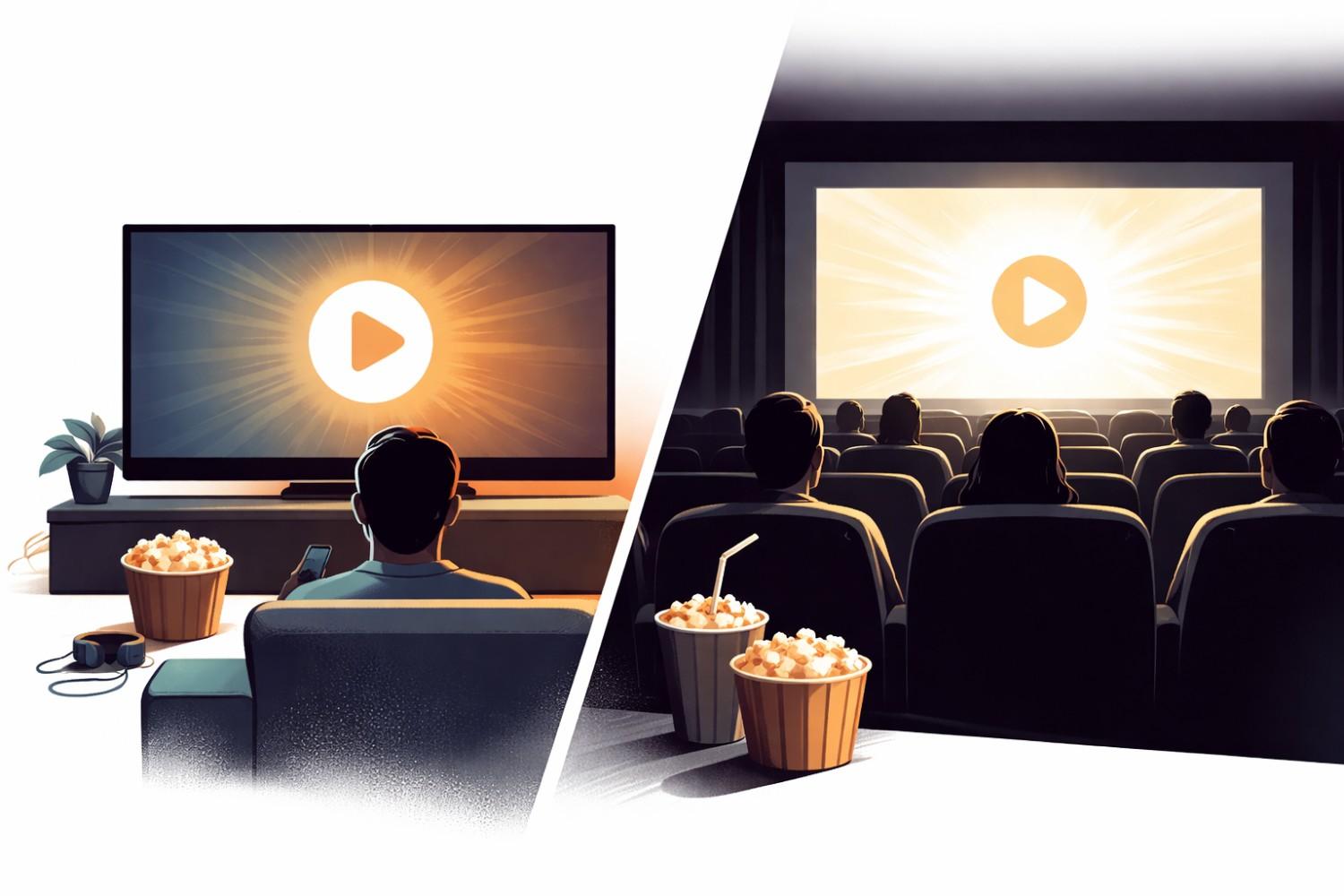
Why the OTT vs Theatre Debate Matters Today
India’s entertainment industry is going through a major shift. Over the past few years, the rise of streaming platforms has changed how films are released and how audiences watch them.
Traditional cinema halls once dominated the movie business. Today, digital streaming services such as Netflix, Amazon Prime Video, and Disney+ Hotstar have become central to the viewing experience.
The debate around OTT vs theatre in India is now a key topic for filmmakers, producers, and audiences. As streaming platforms grow and theatre attendance evolves, the industry is adapting to new release strategies and changing viewer habits.
Understanding this shift is important because it will shape the future of India’s film industry, one of the largest entertainment markets in the world.
The Rise of OTT Platforms in India
Streaming platforms have grown rapidly in India over the past decade.
Several factors contributed to this rise:
- Affordable smartphones
- Faster mobile internet
- Expanding 4G and 5G networks
- Growth of digital payments
Platforms like Netflix, Amazon Prime Video, and Disney+ Hotstar now offer thousands of films, web series, and regional language content.
Unlike traditional cinema releases, OTT platforms allow viewers to watch movies at home on televisions, laptops, and mobile devices.
This convenience has helped streaming platforms attract millions of subscribers across urban and rural India.
How the Pandemic Accelerated Streaming Growth
The shift toward OTT viewing became much stronger during the global pandemic.
When cinemas temporarily closed across India, several filmmakers released movies directly on streaming platforms.
This period introduced many viewers to digital premieres for the first time.
Since then, OTT platforms have continued to grow their libraries with new films and original shows.
Even after theatres reopened, many audiences continued using streaming services regularly.
Traditional Theatre Releases Still Matter
Despite the growth of OTT platforms, cinema halls remain an important part of India’s entertainment ecosystem.
Theatrical releases offer:
- Large-screen viewing experience
- Surround sound and immersive visuals
- Social and cultural entertainment events
Blockbuster films often perform best in theatres because audiences enjoy watching big productions with large audiences.
Multiplex chains such as PVR INOX continue to attract viewers for major releases, especially during festive seasons.
In many cases, successful theatrical runs still generate significant revenue before a film moves to streaming platforms.
Changing Movie Release Strategies
One of the biggest changes in the industry is how films are released.
Earlier, movies would typically stay in theatres for several weeks or months before appearing on television.
Today, the theatrical-to-OTT window has become shorter.
Many films now follow a pattern:
- Initial theatrical release
- Streaming release within weeks
- Television broadcast later
This hybrid model allows producers to reach both theatre audiences and streaming viewers more quickly.
The shorter release window also helps streaming platforms attract subscribers who want to watch recent films at home.
Direct-to-OTT Movie Releases
Some films now skip theatres entirely and release directly on streaming platforms.
Direct-to-OTT releases often include:
- Mid-budget films
- Experimental storytelling projects
- Regional language productions
- Documentary and niche cinema
Streaming platforms offer filmmakers a way to reach audiences without depending entirely on box office performance.
This model has helped smaller films find viewers who may not visit cinemas regularly.
Regional Content Finds New Audiences
One major advantage of streaming platforms is the growth of regional content.
Indian OTT platforms now host films and series in languages such as:
- Tamil
- Telugu
- Malayalam
- Kannada
- Bengali
- Marathi
Streaming services also provide subtitles and dubbing, allowing viewers to explore content from different regions.
This has expanded the audience for regional cinema far beyond local markets.
For example, films produced in South India often find nationwide audiences through digital platforms.
How Audience Behaviour Is Changing
Viewership habits have evolved significantly in recent years.
Flexible Viewing
Streaming allows audiences to watch films at any time, pause them, and continue later.
Personalised Recommendations
OTT platforms use algorithms to suggest content based on viewing history.
Mobile Viewing
Many Indian viewers watch films on smartphones, especially during travel or short breaks.
These changes have made entertainment more flexible and personalised compared with traditional cinema viewing.
Box Office Still Drives Big-Budget Films
Despite the rise of streaming, large-scale productions still depend heavily on theatre releases.
Big-budget films often require strong box office collections to recover production costs.
These films rely on:
- Large theatrical audiences
- Premium formats such as IMAX and 3D
- Festival and holiday releases
For such films, theatres remain the primary platform for revenue generation.
Streaming platforms typically acquire digital rights after the theatrical run.
Economic Impact on the Film Industry
The growth of OTT platforms has changed revenue models in the film industry.
Producers now earn income from multiple sources:
- Theatre box office
- Streaming rights
- Satellite television rights
- Overseas distribution
Streaming deals have become a significant source of income for filmmakers.
This diversified revenue structure helps reduce financial risk for some projects.
Challenges for Theatres in the Streaming Era
Cinema operators face several challenges due to the rise of streaming.
Some viewers now prefer watching films at home rather than travelling to theatres.
Other factors include:
- Ticket pricing concerns
- Competition from home entertainment systems
- Shorter theatrical release windows
Multiplex operators are responding by improving theatre experiences through better seating, enhanced sound systems, and premium formats.
The goal is to make cinema visits feel unique compared with home viewing.
Opportunities for Filmmakers
The OTT era has also created new opportunities for filmmakers.
Streaming platforms support:
- Diverse storytelling formats
- Long-form series
- Experimental genres
Writers and directors now have more platforms to showcase their work.
For many creators, streaming services offer creative freedom and global distribution opportunities.
The Future: Coexistence of OTT and Theatres
Industry experts increasingly believe that OTT platforms and theatres will coexist rather than compete directly.
Each platform serves different audience needs.
Theatres provide large-scale entertainment experiences, while streaming offers convenience and flexibility.
Many films will likely continue using a hybrid release strategy, combining theatrical runs with streaming premieres.
This balanced approach allows filmmakers to reach wider audiences while maintaining box office potential.
Key Trends Shaping India’s Entertainment Industry
Several major trends are shaping the OTT vs theatre landscape in India:
- Growth of streaming subscriptions
- Expansion of regional language content
- Shorter theatrical release windows
- Hybrid distribution models
- Continued demand for large-screen blockbuster experiences
These trends show how the entertainment industry is adapting to digital transformation.
Conclusion: A New Era for Indian Film Distribution
The rise of streaming platforms has transformed how movies are released and watched in India.
Services such as Netflix, Amazon Prime Video, and Disney+ Hotstar have expanded viewing options for millions of people.
At the same time, cinema halls operated by companies like PVR INOX continue to play a major role in the entertainment ecosystem.
Rather than replacing theatres, streaming platforms are reshaping the industry by offering new distribution channels.
For audiences, this means more choice than ever before. For filmmakers and producers, it signals a new era where both OTT and theatres work together to define the future of Indian cinema.
Disclaimer: The information presented in this article is intended for general informational purposes only. While every effort is made to ensure accuracy, completeness, and timeliness, data such as prices, market figures, government notifications, weather updates, holiday announcements, and public advisories are subject to change and may vary based on location and official revisions. Readers are strongly encouraged to verify details from relevant official sources before making financial, investment, career, travel, or personal decisions. This publication does not provide financial, investment, legal, or professional advice and shall not be held liable for any losses, damages, or actions taken in reliance on the information provided.
Last Updated on: Thursday, March 5, 2026 5:58 pm by Digital Herald Team | Published by: Digital Herald Team on Thursday, March 5, 2026 5:58 pm | News Categories: Entertainment