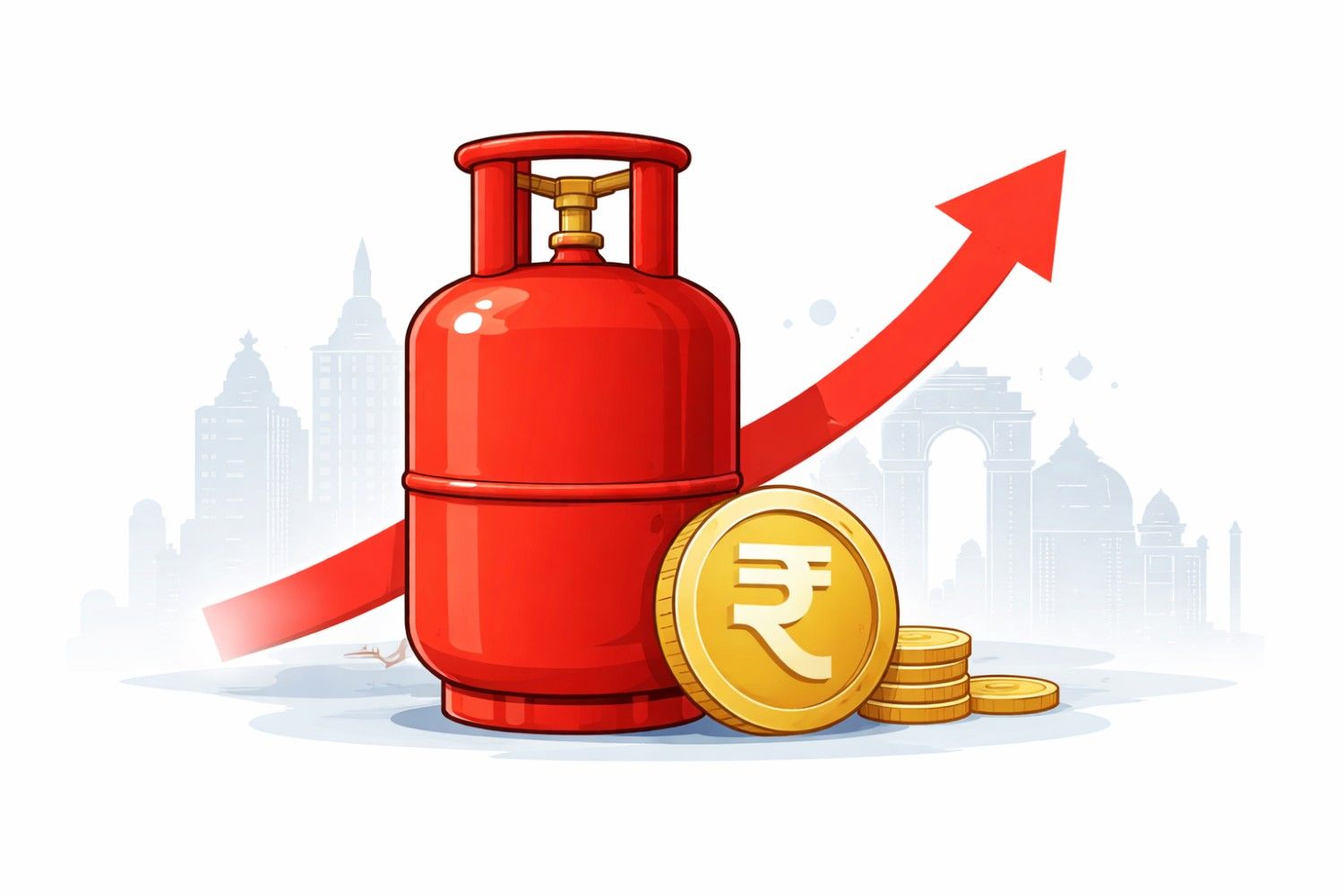
Introduction: LPG Price Increase Impacts Household Budgets
The price of domestic cooking gas has increased again, affecting millions of households across India. Oil marketing companies have raised the price of the domestic LPG cylinder by ₹60, leading to higher cooking gas costs for consumers in several cities.
The price revision applies to the standard 14.2 kg domestic LPG cylinder, which is commonly used for household cooking. The increase has come at a time when families are already managing rising expenses related to food, transport, and daily living.
The updated LPG cylinder rates now vary across major cities such as Delhi, Mumbai, Kolkata, and Chennai, reflecting local taxes and transportation costs. The price hike is expected to influence monthly household budgets, especially for middle-income and low-income families that rely on LPG as their primary cooking fuel.
Understanding the latest LPG prices and the reasons behind the increase can help consumers stay informed about changes in energy costs.
Domestic LPG Cylinder Price Increased by ₹60
Oil marketing companies including Indian Oil Corporation, Bharat Petroleum, and Hindustan Petroleum periodically revise LPG prices based on market conditions and operational factors.
In the latest revision, the price of a 14.2 kg domestic LPG cylinder has been increased by ₹60. This change affects both subsidised and non-subsidised domestic LPG connections across the country.
Domestic LPG prices are reviewed regularly and can change depending on several factors, including global energy trends, logistics costs, and government policy decisions.
For households that depend on LPG cylinders for cooking, even small price increases can have a noticeable impact on monthly expenses.
Latest LPG Cylinder Prices in Major Indian Cities
Following the latest price revision, cooking gas prices now differ slightly across cities due to variations in local taxes and distribution costs.
In Delhi, the price of a 14.2 kg domestic LPG cylinder now stands at around ₹863 after the ₹60 increase.
In Mumbai, the revised price is approximately ₹862.50 for a domestic LPG cylinder.
In Kolkata, consumers are paying about ₹892.50 for the same cylinder size after the price hike.
In Chennai, the cost of a domestic LPG cylinder is now roughly ₹878.50.
These prices may vary slightly depending on local distribution charges and delivery costs. Consumers are advised to check the latest rates through official LPG distributor platforms before booking a refill.
Why LPG Prices Change in India
LPG cylinder prices in India are influenced by several economic and policy factors.
One of the main factors is the cost of liquefied petroleum gas in international markets. Since India imports a significant portion of its LPG supply, global energy prices can influence domestic rates.
Transportation and distribution costs also play a role in determining final LPG prices. Moving cylinders from import terminals to storage facilities and finally to households involves logistics expenses.
Taxes and government policies can also affect pricing. State-level taxes may vary across regions, which is why LPG prices differ slightly between cities.
Oil marketing companies review these factors periodically when deciding whether to revise LPG prices.
Impact of LPG Price Hike on Household Budgets
The increase of ₹60 per cylinder may appear small at first glance, but it can add up over time for families that rely heavily on LPG for daily cooking.
Most households typically consume one LPG cylinder every month or two months, depending on family size and cooking habits.
For larger households, the additional cost could increase annual cooking fuel expenses. Families managing tight monthly budgets may feel the impact more strongly.
Rising energy prices can also affect spending patterns. Some consumers may become more careful about fuel usage or explore alternative cooking methods.
However, LPG remains one of the most widely used cooking fuels in India due to its convenience and relatively clean-burning properties.
Government Subsidy and Support Programs
The Indian government has introduced several initiatives to promote LPG usage, particularly in rural areas and among low-income households.
One of the major initiatives is the Pradhan Mantri Ujjwala Yojana, which aims to provide LPG connections to economically weaker families.
Under this scheme, eligible households receive support in obtaining LPG connections and sometimes benefit from financial assistance for refills.
Subsidy policies have evolved over the years depending on fiscal considerations and energy pricing strategies. In many cases, LPG subsidies are transferred directly to consumers’ bank accounts under the Direct Benefit Transfer system.
Government programs continue to focus on increasing access to clean cooking fuels while balancing budgetary constraints.
Commercial LPG Cylinder Prices Follow Different Trends
It is important to note that domestic LPG cylinders and commercial LPG cylinders are priced differently.
Commercial cylinders, commonly used by restaurants, hotels, and small businesses, usually follow a separate pricing structure.
Commercial LPG prices can change more frequently because they are closely linked to market dynamics and operational costs.
When commercial LPG prices increase, it may indirectly influence the cost of food services, as restaurants and food vendors rely heavily on LPG for cooking.
However, domestic LPG pricing decisions are often considered separately due to their direct impact on household consumers.
Growth of LPG Usage in India
LPG consumption in India has increased significantly over the past decade.
Government programs promoting clean cooking fuels, along with improved distribution networks, have expanded access to LPG cylinders across urban and rural areas.
Millions of households that previously relied on traditional fuels such as firewood and kerosene have shifted to LPG.
This transition has helped improve indoor air quality and reduce health risks associated with smoke from traditional cooking methods.
As a result, LPG remains an important component of India’s energy landscape.
How Consumers Can Check Updated LPG Prices
Consumers can easily check the latest LPG cylinder prices through official sources.
Most oil marketing companies provide updated LPG rates on their official websites and mobile applications. Customers can also verify prices when booking cylinder refills through authorised distributors.
Digital booking platforms and mobile apps have made it easier for consumers to manage LPG services, track deliveries, and monitor price updates.
These tools help households stay informed about any changes in cooking gas prices.
Possible Future Price Movements
Energy prices can change over time depending on global market conditions and domestic policy decisions.
If international LPG prices rise or transportation costs increase, domestic LPG prices may also see adjustments. On the other hand, stable global energy markets may limit further price increases.
Experts note that fuel pricing remains influenced by multiple factors, including global demand, currency movements, and domestic energy policies.
Consumers should therefore expect periodic revisions in LPG cylinder prices.
Conclusion: LPG Price Hike Highlights Rising Energy Costs
The ₹60 increase in domestic LPG cylinder prices highlights the continued volatility in energy costs affecting households across India.
With updated prices now in effect across major cities including Delhi, Mumbai, Kolkata, and Chennai, many families may need to adjust their monthly budgets to account for higher cooking fuel expenses.
Despite the price rise, LPG remains one of the most widely used and accessible cooking fuels in the country. Government programs and improved distribution networks continue to support wider adoption of clean cooking energy.
For consumers, staying informed about LPG price updates and understanding the factors behind these changes can help manage household energy costs more effectively.
Disclaimer: The information presented in this article is intended for general informational purposes only. While every effort is made to ensure accuracy, completeness, and timeliness, data such as prices, market figures, government notifications, weather updates, holiday announcements, and public advisories are subject to change and may vary based on location and official revisions. Readers are strongly encouraged to verify details from relevant official sources before making financial, investment, career, travel, or personal decisions. This publication does not provide financial, investment, legal, or professional advice and shall not be held liable for any losses, damages, or actions taken in reliance on the information provided.
Last Updated on: Friday, March 13, 2026 11:05 pm by Digital Herald Team | Published by: Digital Herald Team on Friday, March 13, 2026 11:05 pm | News Categories: India