Proposal linked to 250th Independence anniversary draws attention for departing from 160-year tradition
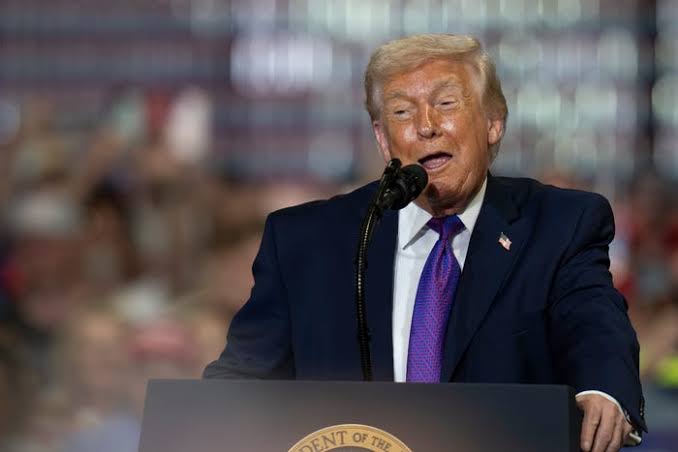
The U.S. Department of the Treasury has announced plans to include the signature of Donald Trump on newly printed US currency, marking a significant departure from historical norms. The change is being introduced as part of preparations for the country’s 250th Independence anniversary in 2026.
If implemented, it would be the first time a sitting president’s signature appears on US paper money.
Key Announcements / Highlights
Traditionally, US currency carries the signatures of the Treasury Secretary and the Treasurer, a system in place since the 19th century. Under the new plan, President Trump’s signature will be added alongside that of Treasury Secretary Scott Bessent, while the Treasurer’s signature will be removed.
Officials indicated that the new design could begin appearing on high-denomination notes, including $100 bills, as early as mid-2026.
The move is part of broader commemorative efforts tied to the Semiquincentennial, marking 250 years of American independence.
Official Statement
Treasury Secretary Scott Bessent described the decision as a symbolic recognition of the current administration’s economic policies and national milestones. US Treasurer Brandon Beach also supported the move, calling it a reflection of leadership during a period of economic change.
The Treasury said the redesigned currency would represent national strength and continuity during a landmark year.
Context / Background
US currency design has followed strict conventions for over 160 years, with signatures limited to financial officials rather than elected leaders. Any change to this format is considered significant due to the symbolic and institutional role of currency.
The proposal follows other commemorative initiatives linked to the 250th anniversary, including the approval of special coins featuring presidential imagery.
Critics have raised concerns that adding a sitting president’s signature could blur the line between institutional representation and political symbolism.
Public Impact
For most citizens, the change would not affect the value or usability of currency. However, it may carry symbolic importance, influencing public perception of national institutions and traditions.
Currency design changes can also attract interest among collectors and historians, particularly when they mark a departure from established practices.
Conclusion
The plan to include President Trump’s signature on US currency represents a notable shift in tradition as the country approaches its 250th anniversary. As the rollout timeline becomes clearer, the proposal is likely to remain a subject of public and political debate.
Input & Images: Hindusthan Samachar
Edited by Manten Sasank
Add Digital Herald as preferred source on google – click here
Also read – PM Modi to Hold Meeting with Chief Ministers on West Asia Crisis Preparedness
Last Updated on: Friday, March 27, 2026 3:41 pm by Mantena Sasank | Published by: Mantena Sasank on Friday, March 27, 2026 3:41 pm | News Categories: News