US maintains pressure on Iran’s energy sector even as it delays attacks and continues indirect talks
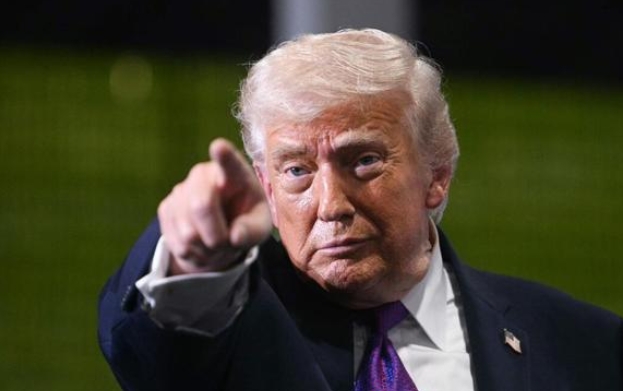
US President Donald Trump has indicated that seizing Iran’s oil resources remains a possible course of action, even as Washington extends a pause on military strikes targeting Iranian energy infrastructure. The remarks come amid ongoing tensions between the United States and Iran, alongside limited diplomatic engagement.
The dual approach reflects a mix of pressure and restraint as the conflict in West Asia continues.
Key Announcements / Highlights
President Trump said taking control of Iran’s oil supply is “an option,” though he did not outline specific plans. The statement signals that economic pressure through energy resources remains central to US strategy.
At the same time, the US has extended its pause on strikes against Iran’s energy facilities by 10 days, pushing the deadline to April 6, 2026. The move has been presented as an opportunity to support ongoing diplomatic efforts.
The situation is unfolding alongside continued tensions around the Strait of Hormuz, a critical corridor for global oil shipments.
Official Statement
Speaking at the White House, Trump suggested that controlling Iran’s oil output could be considered as part of broader strategic options. He referenced the US role in Venezuela’s recent political transition as an example of how energy resources can factor into geopolitical strategies.
Trump also stated that the United States is less vulnerable to global energy disruptions due to its domestic oil reserves, emphasising the country’s position on energy independence.
He added that discussions with Iran were progressing, though officials in Tehran have questioned the nature and extent of any negotiations.
Context / Background
Iran holds some of the world’s largest oil reserves, making its energy exports a key component of its economy. In recent weeks, Iranian crude shipments have continued despite regional tensions, benefiting from higher global oil prices.
Data from market trackers suggests that Iran’s oil revenues have increased in March, reflecting sustained export activity even amid conflict.
The US strategy appears to combine military restraint with economic leverage, using the possibility of targeting energy revenues as a negotiating tool.
Public Impact
Developments affecting Iran’s oil supply and the Strait of Hormuz have direct implications for global energy markets. Any escalation could lead to higher crude prices, affecting fuel costs worldwide.
For countries dependent on oil imports, including India, such shifts can influence inflation, transportation costs and overall economic stability.
Conclusion
The latest statements from the US administration highlight a complex strategy balancing pressure and diplomacy. With the April 6 deadline approaching, the trajectory of US-Iran relations will depend on whether ongoing efforts lead to de-escalation or renewed confrontation over energy and security issues.
Input & Images: Hindusthan Samachar
Edited by Manten Sasank
Add Digital Herald as preferred source on google – click here
Also read – US Treasury Plans to Add President Trump’s Signature to Currency, Breaking Longstanding Practice
Last Updated on: Friday, March 27, 2026 3:46 pm by Mantena Sasank | Published by: Mantena Sasank on Friday, March 27, 2026 3:46 pm | News Categories: Politics, News