A wave of deadly strikes across Lebanon has intensified fears that the recently announced US-Iran ceasefire may not prevent wider regional escalation.
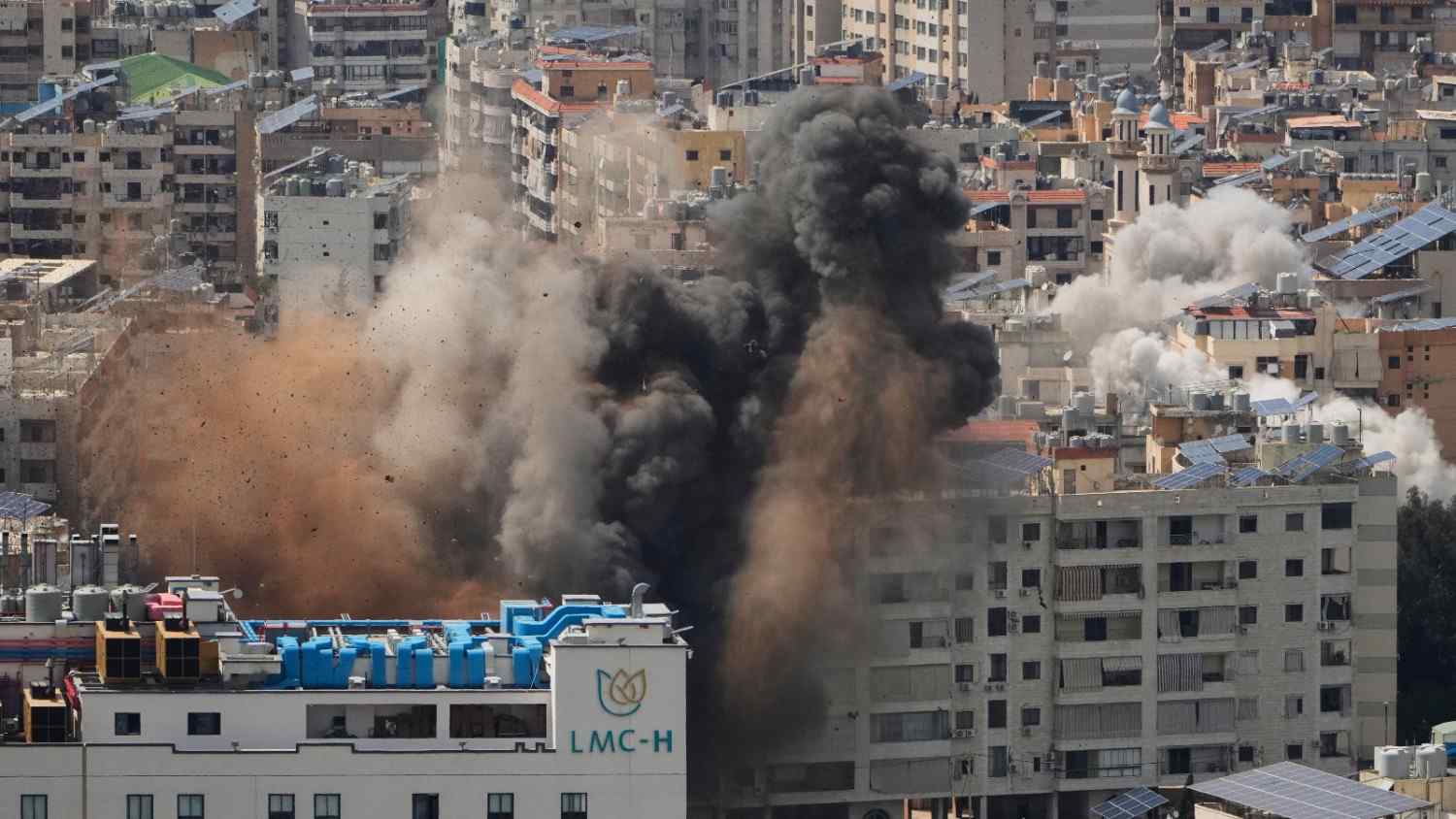
At least 182 people were killed and more than 890 injured after Israeli airstrikes struck multiple locations across Lebanon, including central Beirut, on April 8. The attacks, described as one of the deadliest days in the ongoing conflict involving Hezbollah, have raised fresh concerns about the effectiveness of a recently announced ceasefire between the United States and Iran.
Key Highlights
The airstrikes were carried out within a short span of time and targeted multiple regions, including Beirut, southern Lebanon, and the Bekaa Valley. Casualties included civilians, with reports indicating that residential neighbourhoods and areas housing displaced people were heavily affected.
Lebanon’s health authorities reported widespread destruction of homes, commercial buildings, and infrastructure, particularly in densely populated parts of the capital. Many of those impacted were already displaced by earlier phases of the conflict.
Official Statement
Israeli officials stated that the strikes targeted more than 100 sites linked to Hezbollah, including missile launchers and operational infrastructure. They described the operation as a necessary response to continued cross-border attacks.
However, Lebanese authorities strongly condemned the strikes. Prime Minister Nawaf Salam called the attacks an escalation at a time when diplomatic efforts were underway, while President Joseph Aoun described them as a violation of international norms.
Context and Background
The strikes occurred shortly after a two-week ceasefire was announced between the United States and Iran following heightened tensions. However, US officials clarified that the agreement does not extend to Hezbollah’s conflict with Israel.
In contrast, Iran has indicated that the ceasefire should apply more broadly, including to hostilities in Lebanon. This difference in interpretation has created uncertainty around the scope and durability of the truce.
The conflict has already displaced more than one million people within Lebanon, according to officials, placing additional strain on the country’s fragile infrastructure and economy.
Public Impact: Humanitarian Concerns
The latest strikes have significantly worsened the humanitarian situation. Many displaced families who had sought refuge in Beirut now face renewed insecurity, with limited access to shelter and essential services.
Relief agencies warn that continued attacks on urban areas could lead to higher civilian casualties and further displacement. The concentration of displaced populations in major cities increases the risks associated with large-scale military operations.
Conclusion: Uncertain Path Ahead
The escalation in Lebanon highlights the fragile nature of the US-Iran ceasefire and the challenges of containing regional conflicts. If hostilities continue, there is a risk that the situation could expand beyond localised fighting, potentially affecting broader geopolitical stability.
Diplomatic efforts remain ongoing, but without clarity on the ceasefire’s scope, the prospects for immediate de-escalation in Lebanon appear limited.
Input & Images: Hindusthan Samachar
Edited by Manten Sasank
Add Digital Herald as preferred source on google – click here
Also read – Japan to Host First International T20 Matches at New Asian Games Cricket Stadium
Last Updated on: Thursday, April 9, 2026 3:16 pm by Mantena Sasank | Published by: Mantena Sasank on Thursday, April 9, 2026 3:16 pm | News Categories: News, Politics, Trending