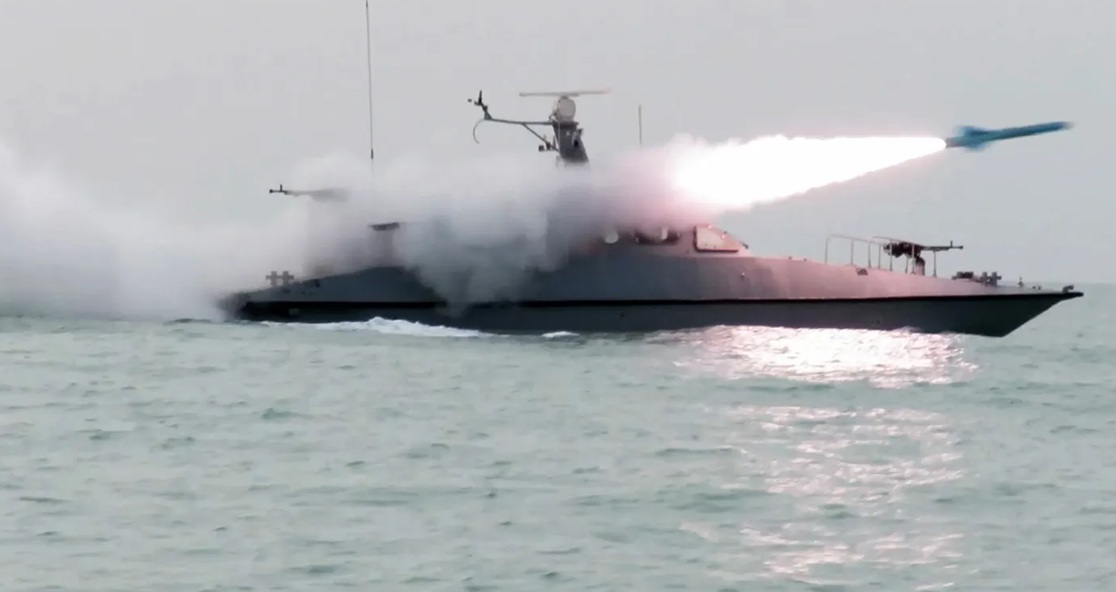
Naval confrontation raises tensions as both sides accuse each other of violating ceasefire terms.
A maritime standoff between the United States and Iran escalated on April 20 after an Iranian-flagged cargo vessel was intercepted and seized by US forces in the Gulf of Oman. The incident comes amid already strained relations and fragile ceasefire conditions in the region.
Iranian authorities accused Washington of using force unlawfully, while US officials said the action was taken after the vessel failed to comply with warnings linked to an ongoing naval blockade.
Key Announcements / Highlights
Iran’s state broadcaster reported that the vessel was fired upon and boarded by US forces, with officials describing the incident as a violation of international norms. Tehran alleged that the ship sustained damage and that its navigation systems were affected during the operation.
The United States Central Command confirmed that a US Navy destroyer engaged the vessel after it attempted to bypass restrictions in the region. According to CENTCOM, the ship did not respond to repeated warnings before being intercepted.
US officials also said that multiple vessels have been turned back since the enforcement of maritime restrictions, aimed at controlling movement to and from Iranian ports.
Official Statement
US President Donald Trump stated that the intercepted ship is now under American custody and undergoing inspection. He described the operation as part of efforts to enforce compliance with maritime directives in the region.
Iranian officials, including President Masoud Pezeshkian, condemned the action and warned of possible retaliation. Tehran has argued that the US naval measures, including the blockade, violate the existing ceasefire framework.
Context / Background
The incident occurs against the backdrop of heightened tensions between the two countries following recent military exchanges and diplomatic breakdowns. A temporary ceasefire had been in place to reduce hostilities, but disagreements over enforcement and maritime control have continued.
The Strait of Hormuz and surrounding waters, including the Gulf of Oman, are among the world’s most critical shipping routes, particularly for oil exports. Any disruption in this region can have immediate global economic implications.
Public Impact
Escalating tensions in these waters could affect global energy markets, potentially leading to increased oil prices and economic uncertainty. For countries dependent on energy imports, the situation may translate into higher fuel costs and inflationary pressure.
The incident also raises concerns about the safety of commercial shipping in the region, which is vital for international trade.
Conclusion
The seizure of the Iranian vessel marks a significant escalation at a time when diplomatic efforts are already under strain. With both sides issuing strong statements, the coming days will be crucial in determining whether tensions can be contained or if the situation moves toward further confrontation.
Input & Images: Hindusthan Samachar
Edited by Manten Sasank
Add Digital Herald as preferred source on google – click here
Also read – Top 5 Best 100cc Bikes in India Offer High Mileage and Affordable Pricing
Last Updated on: Monday, April 20, 2026 12:00 pm by Mantena Sasank | Published by: Mantena Sasank on Monday, April 20, 2026 12:00 pm | News Categories: News, Politics