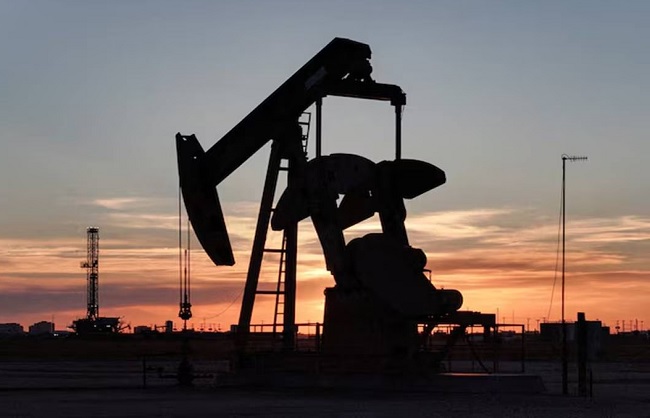
Global oil prices surge amid fears of supply disruption in key Middle East shipping route.
Global crude oil prices climbed sharply on April 20 as escalating tensions in West Asia raised concerns about potential supply disruptions through the Strait of Hormuz, a critical global energy corridor.
Brent crude, the international benchmark, rose to $96.27 per barrel, while US benchmark West Texas Intermediate (WTI) approached $90, reflecting heightened volatility in global energy markets.
Key Announcements / Highlights
Both major oil benchmarks recorded strong gains in early trading. Brent crude surged by over 6%, while WTI saw an increase of around 7%, driven by market fears of restricted supply flows.
At various points during the session, prices fluctuated but maintained an upward trend, indicating sustained bullish sentiment among traders.
Official Market View
Market analysts attribute the sharp rise to geopolitical tensions affecting supply expectations. The Strait of Hormuz, through which a significant portion of global oil exports passes, remains a focal point of concern.
Any disruption in this route can quickly tighten supply and lead to rapid price increases, as traders react to uncertainty.
Context / Background
The recent surge follows a series of developments in the Middle East, including rising tensions between major regional and global powers. These events have heightened the risk perception in energy markets, leading to increased price volatility.
Historically, geopolitical instability in oil-producing regions has had a direct impact on crude prices, often triggering sharp spikes in global markets.
Public Impact
Higher crude oil prices can translate into increased fuel costs for consumers, affecting transportation and overall inflation. Countries that rely heavily on oil imports, including India, may face additional economic pressure if prices remain elevated.
Industries dependent on fuel and logistics could also see rising operational costs, potentially impacting economic activity.
Conclusion
With tensions in the Strait of Hormuz showing little sign of easing, oil markets are expected to remain volatile in the near term. Investors and policymakers will closely monitor developments, as any further escalation could push prices even higher and affect global economic stability.
Input & Images: Hindusthan Samachar
Edited by Manten Sasank
Add Digital Herald as preferred source on google – click here
Also read – Sensex, Nifty Slip in Early Trade as Volatility Returns to Markets
Last Updated on: Monday, April 20, 2026 12:12 pm by Mantena Sasank | Published by: Mantena Sasank on Monday, April 20, 2026 12:12 pm | News Categories: News, Business