Real estate marketing has traditionally been centred around the project, its location, design, amenities and the lifestyle it promises. However, the way brands build visibility has evolved significantly, with collaborations between real estate companies and well-known personalities becoming an increasingly important part of large-scale brand campaigns. From being limited to a celebrity appearing in an advertisement, these collaborations are now being built around larger brand narratives, where a personality becomes part of the creative identity of a campaign. The objective is to bring together the brand’s proposition with the personality’s existing audience, recall and cultural relevance.
This is particularly relevant in a category like real estate, where building awareness and trust can take considerable time. A recognised personality brings an established connection with audiences, giving brands access to an existing fan base while helping create greater familiarity around the campaign. For consumers, seeing a familiar face associated with a brand can make the communication more memorable and emotionally engaging. But the value of a personality-led campaign depends on more than popularity. The selection of a particular personality increasingly comes down to how closely that person connects with the brand, its positioning and its target audience. Brands need to consider the personality’s public image, credibility, audience profile, values and the associations they bring. The question is not simply who can generate visibility, but who can make the brand proposition more relevant and believable to the consumer.
This becomes particularly important for premium real estate brands, where the personality can influence perception. A personality associated with credibility, achievement, aspiration or a particular lifestyle can reinforce the qualities a brand wants to own. The shift can be seen in the increasing scale of personality-led campaigns. Instead of using a celebrity simply as the face of a single advertisement, developers are increasingly exploring them as the central figure in hero creatives, integrated campaigns and larger brand narratives. A hero creative featuring a recognised personality can give a campaign an immediate identity and extend across outdoor advertising, print, digital platforms, events and other consumer touchpoints.
The expected outcome is not limited to immediate campaign visibility. Brands are increasingly looking at these associations to build recall, strengthen credibility and create a stronger premium identity. In a category where customers take considerable time to evaluate a purchase, remaining familiar and relevant over a longer period can be as important as the initial reach. The right association can create long-term resonance, allowing the personality’s connection with the brand to influence perception beyond the original advertisement.
Social media has fundamentally expanded the role a personality can play in a real estate campaign. A campaign that may have earlier lived primarily through television, print and outdoor advertising can now be amplified through Instagram, YouTube, LinkedIn and other digital platforms. The personality’s own digital following becomes an important part of this ecosystem, creating multiple points of discovery and extending the campaign beyond traditional advertising.
This also changes the lifecycle of the campaign. Instead of treating the personality association as a single launch moment, brands can build a series of communications around it — beginning with awareness, moving into engagement and consideration, and continuing through launches, events, digital content and ongoing brand communication. This gives the association continuity and allows it to build over time. For real estate, this longer lifecycle also brings customer-centricity into the conversation.
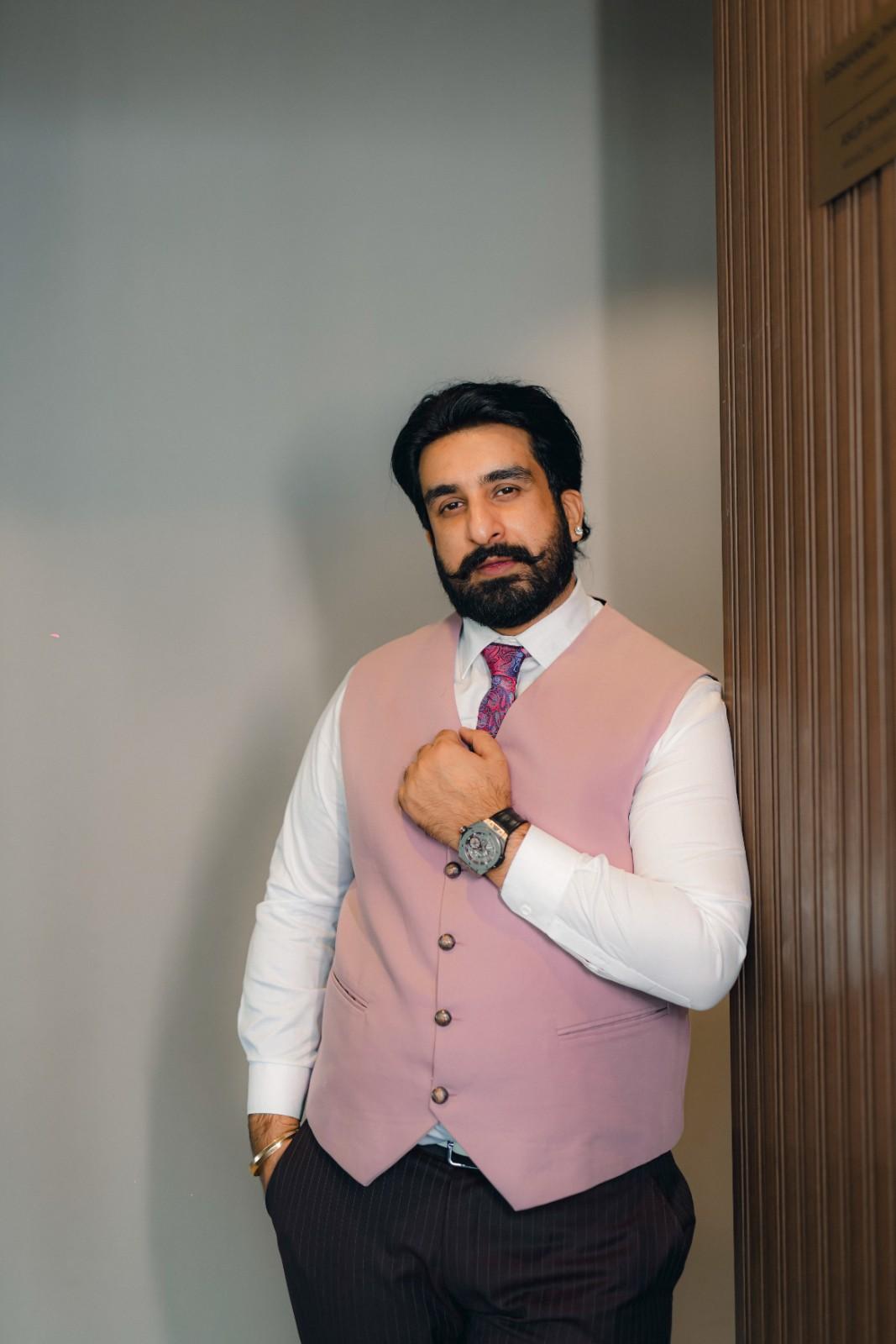
“Real estate has traditionally been a very project-led category, but consumer behaviour and media consumption have changed. A strong personality can bring a new audience and a different level of familiarity to the brand. When the association is authentic and aligned with what the brand stands for, it can create a stronger connection than conventional advertising alone,” says Anup Jhamtani, Managing Director, Jhamtani.
At the same time, the influence of personality is not limited to celebrities. Developers themselves are increasingly using digital platforms to engage directly with customers and build visibility around their leadership. LinkedIn and Instagram have enabled developers to share project journeys, construction progress, industry views, milestones and the thinking behind their businesses. This has made the developer more accessible to the customer and created a more continuous form of communication beyond the traditional sales process.
For the industry, the two trends are beginning to converge: celebrities can bring reach, recall and an established audience, while developers bring the product, credibility and long-term relationship with customers. The larger opportunity lies in creating an association where both complement each other.The strongest personality-led campaigns are therefore not about placing a famous face next to a project. They are about creating a meaningful connection between the personality, the brand and the customer. When that connection is authentic, the personality can contribute to premium positioning, credibility and long-term resonance, while the brand builds on that attention through consistent communication and customer experience.
Last Updated on: Tuesday, August 18, 2026 9:35 am by Admin | Published by: Admin on Wednesday, August 12, 2026 10:36 pm | News Categories: Business