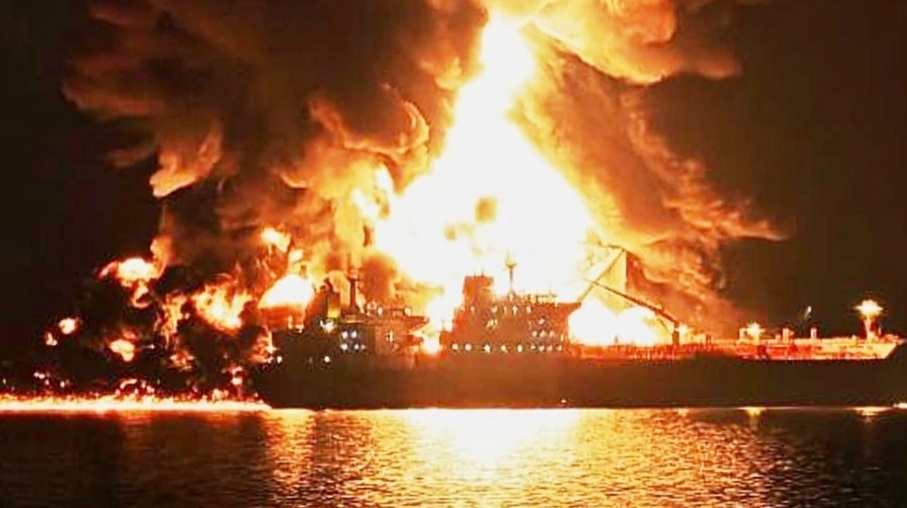
Tehran dismisses deadline to reopen key oil route as tensions with Washington continue to escalate
Iran has rejected a deadline issued by Donald Trump calling for the reopening of the Strait of Hormuz. The development comes amid heightened tensions in the Middle East, where ongoing conflict has disrupted global energy routes.
Key Developments
Iranian authorities confirmed that the Strait of Hormuz remains closed despite calls from the United States to restore access. The waterway is one of the world’s most critical oil transit routes, and its closure has raised concerns about energy supply and global trade.
US officials had set a deadline for reopening the strait, warning of potential consequences if the demand was not met. Iran, however, dismissed the ultimatum and indicated it would maintain its current position.
Official Statements
Iran’s Foreign Ministry stated that the country would not alter its stance under external pressure and emphasized its readiness to respond to any further developments. Officials reiterated that Iran retains the capability to defend its interests and respond to threats if necessary.
US leadership had earlier warned that failure to reopen the route could lead to actions targeting key infrastructure, though no immediate measures have been confirmed following Iran’s response.
Context and Background
The Strait of Hormuz is a narrow but vital maritime corridor through which a significant portion of the world’s oil supply passes. Any disruption in this route can have immediate implications for global energy markets and economic stability.
The current situation is part of a broader conflict involving multiple countries in the region, leading to increased military activity and diplomatic tensions.
Public and Global Impact
The continued closure of the strait may contribute to volatility in oil prices and affect energy-importing countries worldwide. Shipping disruptions could also impact global supply chains and trade flows.
For consumers, this may translate into higher fuel costs and broader economic uncertainty if the situation persists.
Conclusion
Iran’s decision to maintain the closure of the Strait of Hormuz underscores the ongoing strain in US–Iran relations and the wider regional conflict.
With both sides holding firm positions, the coming days will be critical in determining whether the situation moves toward de-escalation or further intensification, with significant implications for global energy and security.
Input & Images: Hindusthan Samachar
Edited by Manten Sasank
Add Digital Herald as preferred source on google – click here
Also read – IPL 2026: Shreyas Iyer Fined for Slow Over-Rate as Punjab Kings Defeat Chennai Super Kings
Last Updated on: Monday, April 6, 2026 11:21 am by Mantena Sasank | Published by: Mantena Sasank on Monday, April 6, 2026 11:21 am | News Categories: Politics, News, Trending