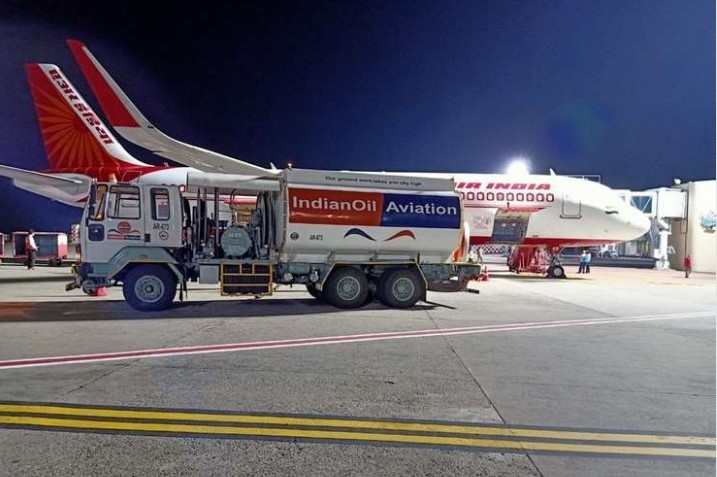
Indian carriers seek relief on airport charges as rising aviation turbine fuel costs strain operations
A sharp rise in global jet fuel prices is putting pressure on airlines worldwide, with Indian carriers warning of possible fare increases if costs continue to climb. The surge follows escalating tensions in West Asia, which have disrupted energy markets and pushed aviation turbine fuel (ATF) prices to record levels in recent weeks.
Industry estimates indicate that jet fuel prices have more than doubled over the past month, significantly impacting airline operating expenses.
Key Announcements / Highlights
International jet fuel prices have risen from around $95.90 per barrel in February to nearly $197 per barrel, marking an increase of over 100%. This surge is expected to be reflected in domestic ATF prices, with oil marketing companies likely to revise rates upward in the coming weeks.
Indian airlines have urged the central government to reduce airport-related charges, including landing and parking fees, to offset the rising fuel burden. Without such measures, carriers say ticket prices may need to increase sharply to maintain financial viability.
Fuel costs currently account for roughly 40% of an airline’s operating expenses, making the sector particularly sensitive to price fluctuations.
Official Statement
Airline representatives have indicated that the current cost pressures are unsustainable without policy support. They have called for temporary relief through reduced airport charges and tax adjustments to ease the financial strain.
Industry stakeholders also noted that route disruptions due to geopolitical tensions are adding to operational challenges. With parts of Gulf airspace affected, flights are taking longer routes, leading to higher fuel consumption.
Context / Background
Aviation turbine fuel (ATF) is a refined petroleum product used to power aircraft. Its pricing is closely linked to global crude oil markets, making it vulnerable to geopolitical disruptions.
The ongoing conflict in West Asia has raised concerns over supply stability and transport routes, leading to volatility in oil prices. Similar spikes in the past have led to increased airfares and reduced profitability for airlines.
In India, ATF prices are revised periodically by oil marketing companies based on international benchmarks and currency movements.
Public Impact
Passengers may face higher ticket prices in the coming months if airlines pass on the increased fuel costs. This could affect both domestic and international travel, particularly during peak seasons.
At the same time, airlines may adjust flight schedules or routes to manage costs, potentially leading to longer travel times on certain routes.
Conclusion
The surge in jet fuel prices highlights the aviation sector’s vulnerability to global energy shocks. While airlines are seeking government intervention to cushion the impact, fare increases appear likely if current trends persist. The situation will depend on how geopolitical tensions and energy markets evolve in the coming weeks.
Input & Images: Hindusthan Samachar
Edited by Manten Sasank
Add Digital Herald as preferred source on google – click here
Also read – FIFA Vice President Says World Cup 2026 Security Concerns Are Overstated
Last Updated on: Thursday, March 26, 2026 2:00 pm by Mantena Sasank | Published by: Mantena Sasank on Thursday, March 26, 2026 2:00 pm | News Categories: Business