Move seen as a temporary de-escalation step amid ongoing conflict and indirect diplomatic efforts
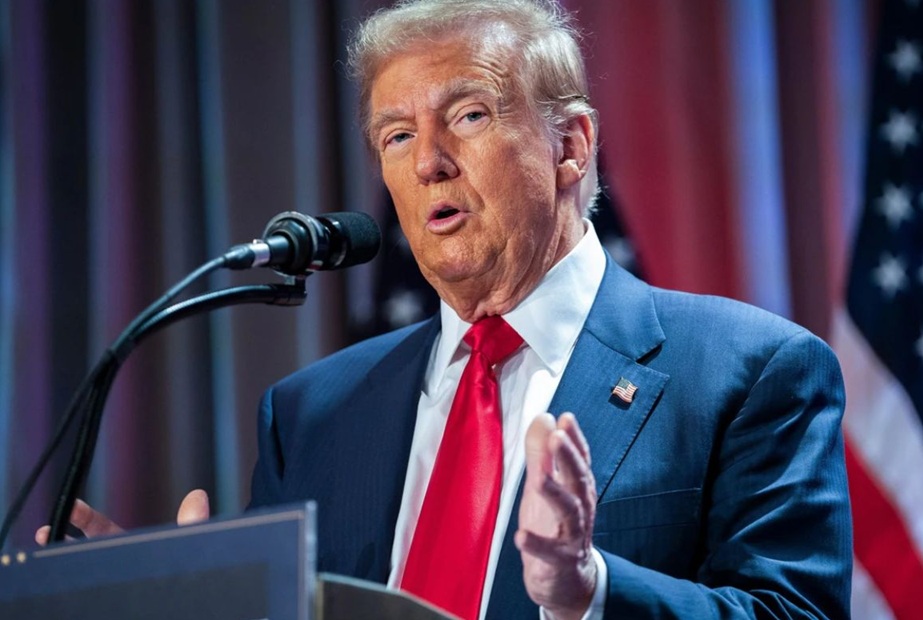
The United States has announced it will not carry out strikes on Iran’s energy infrastructure until April 6, 2026, extending a previously set deadline amid continuing tensions in West Asia. The decision was confirmed by President Donald Trump, who described the move as part of ongoing efforts to ease hostilities.
The development comes during an active phase of conflict involving the United States, Israel and Iran, alongside parallel diplomatic outreach.
Key Announcements / Highlights
The US administration has extended its self-imposed pause on targeting Iran’s power grid and energy facilities by 10 days, setting a new deadline of April 6. The decision follows what Washington described as a cooperative signal from Iran, including allowing certain oil tankers to pass through the Strait of Hormuz.
Officials indicated that the extension is intended to provide space for diplomatic engagement, even as military tensions remain high in the region.
Official Statement
President Donald Trump said the pause was implemented at Iran’s request and framed it as a goodwill measure. He added that discussions with Tehran were progressing positively, though no formal negotiations have been publicly confirmed.
Iranian authorities, however, have expressed scepticism about the US position, describing recent proposals as imbalanced and raising concerns about Washington’s intentions.
Context / Background
The conflict, now several weeks old, has raised global concerns over energy security and regional stability. The Strait of Hormuz, a key route for global oil shipments, remains a focal point, with disruptions affecting international markets.
Diplomatic efforts are underway, with Pakistan, Turkey and Egypt playing intermediary roles. Pakistan’s Foreign Minister Ishaq Dar confirmed that messages are being exchanged between Washington and Tehran, including a reported US proposal outlining multiple points for discussion.
Despite these efforts, differences between the two sides remain significant, and no direct talks have been announced.
Public Impact
The temporary pause in potential strikes could help stabilise global energy markets in the short term, particularly as disruptions in the Strait of Hormuz have already affected oil supply routes.
For countries dependent on energy imports, including India, any easing of tensions could reduce volatility in fuel prices and supply chains.
However, continued uncertainty means markets and governments are likely to remain cautious until clearer signs of de-escalation emerge.
Conclusion
The extension of the US pause on targeting Iran’s energy infrastructure signals a brief window for diplomacy in an otherwise volatile situation. With mediation efforts ongoing and tensions unresolved, the April 6 deadline may prove critical in determining whether the conflict moves toward negotiation or further escalation.
Input & Images: Hindusthan Samachar
Edited by Manten Sasank
Add Digital Herald as preferred source on google – click here
Also read – BJP Fields RG Kar Victim’s Mother in Panihati, Calls Election a ‘Fight for Justice’
Last Updated on: Friday, March 27, 2026 2:16 pm by Mantena Sasank | Published by: Mantena Sasank on Friday, March 27, 2026 2:16 pm | News Categories: News