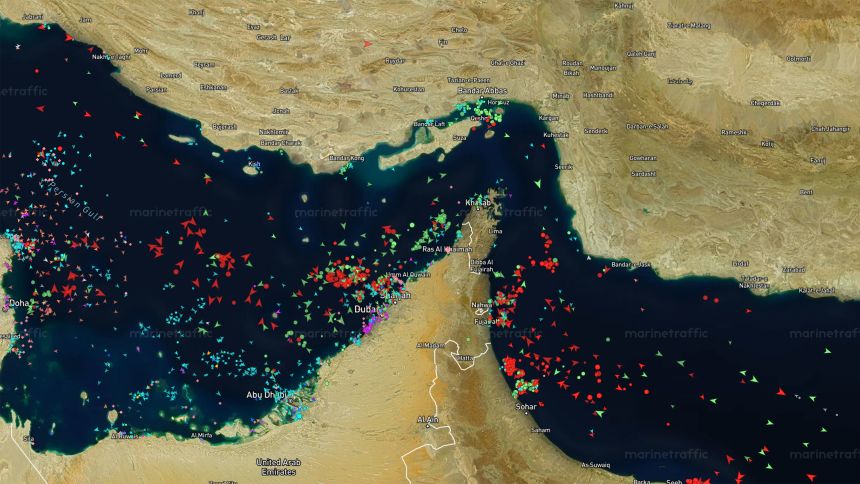
Oil prices surge and global concerns rise after failed talks push Washington and Tehran toward confrontation in a critical shipping corridor.
Tensions between the United States and Iran have intensified after Washington announced plans to impose a naval blockade targeting Iranian-controlled waters near the Strait of Hormuz. The move follows the collapse of recent negotiations between the two countries in Pakistan, raising fears of a broader conflict in the Middle East.
US President Donald Trump has directed the US Navy to prevent ships from entering or leaving Iranian ports, while allowing passage for vessels not linked to Iran. The blockade is expected to begin on April 13, with military assets already moving into position.
Key Announcements / Highlights
The United States has framed the blockade as a pressure measure against Iran after diplomatic efforts failed to produce an agreement. Officials have indicated that while access to Iranian ports will be restricted, international shipping routes through the Strait of Hormuz will remain open for non-Iranian vessels.
Iran, however, has strongly opposed the move. The naval wing of the Islamic Revolutionary Guard Corps has warned that any hostile military presence in the area would be treated as a threat. Iranian Navy chief Shahram Irani dismissed the US plan and said Iran is closely monitoring foreign warships in the region.
Official Statement
Iranian officials have reiterated that the Strait of Hormuz remains under their oversight and that any escalation could trigger a firm response. Foreign Minister Abbas Araghchi also suggested that diplomatic efforts were undermined during negotiations, alleging external influence in the talks.
The United States has not publicly addressed these claims but maintains that the blockade is necessary to counter Iran’s actions and ensure regional security.
Context / Background
The latest developments come after weeks of military escalation, including airstrikes involving US and allied forces targeting Iranian positions. Talks held in Pakistan were aimed at securing a ceasefire and easing tensions, but disagreements over Iran’s nuclear programme and regional security concerns led to a breakdown.
The Strait of Hormuz is one of the world’s most strategically important waterways, handling nearly one-fifth of global oil exports. Any disruption in this corridor can have immediate and far-reaching economic consequences.
Public Impact
Global markets have already reacted to the uncertainty, with oil prices rising sharply amid fears of supply disruptions. Shipping companies are reportedly rerouting vessels to avoid the region, increasing costs and delays in global trade.
Countries heavily dependent on imported energy could face inflationary pressure if the situation escalates further. The potential for conflict also raises concerns about regional stability and humanitarian consequences.
Conclusion
As the planned blockade approaches, international attention is focused on whether the situation will escalate into open confrontation or return to diplomacy. Calls for restraint have emerged from multiple countries and international bodies, urging both sides to avoid actions that could destabilise global energy supplies and security.
With military forces mobilising and rhetoric intensifying, the coming days are likely to be critical in determining the trajectory of the US–Iran standoff.
Input & Images: Hindusthan Samachar
Edited by Manten Sasank
Add Digital Herald as preferred source on google – click here
Also read – US Plans Naval Blockade of Iranian Ports; Iran Warns Against Military Presence in Strait of Hormuz
Last Updated on: Sunday, April 12, 2026 2:57 am by Mantena Sasank | Published by: Mantena Sasank on Sunday, April 12, 2026 2:57 am | News Categories: News, Politics