Why the IMD Summer Forecast Matters Now
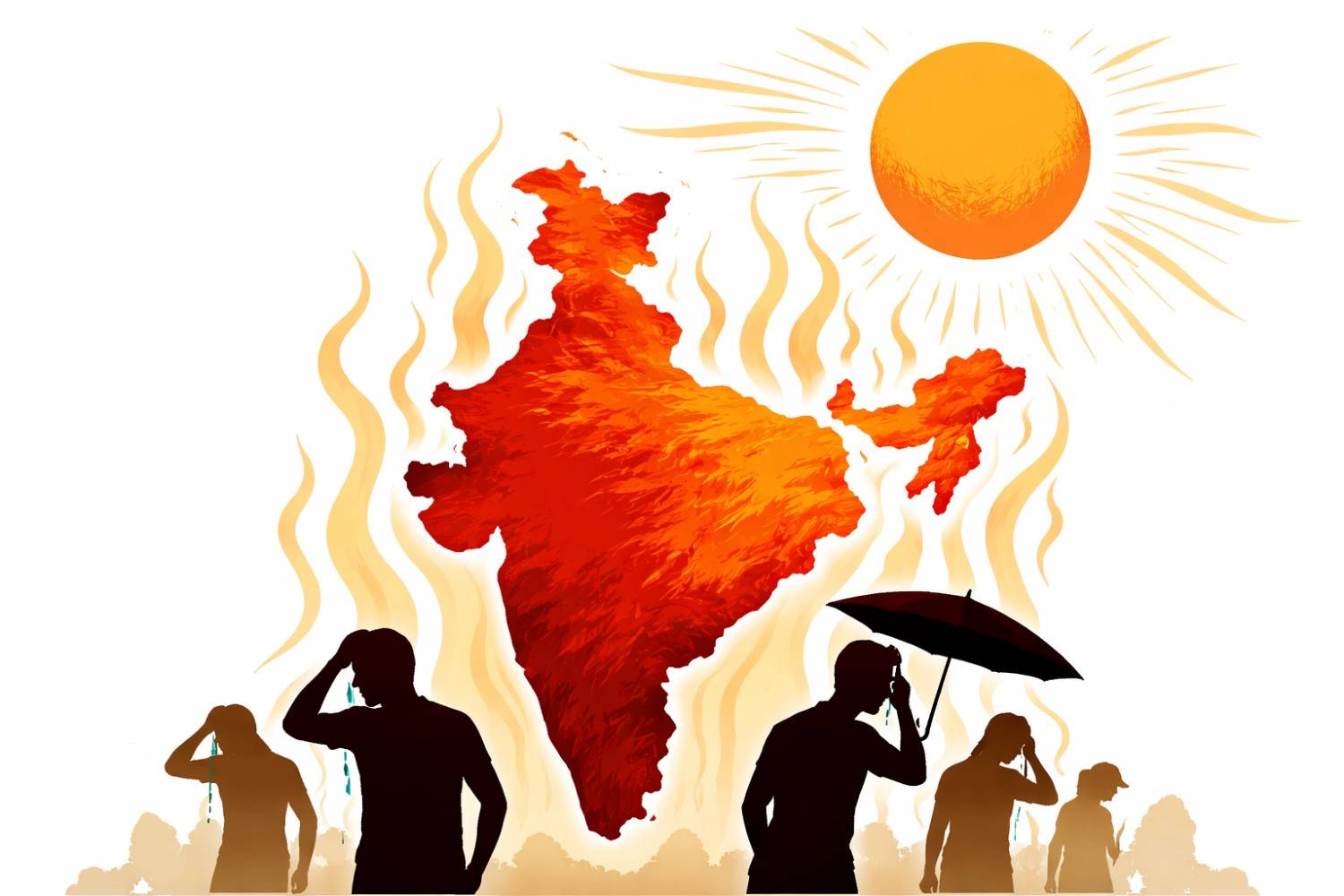
India is preparing for a hotter-than-normal summer in 2026, according to the latest seasonal outlook issued by the India Meteorological Department (IMD). The forecast comes at a time when global climate patterns are showing clear signs of rising temperatures.
A hotter summer affects millions across the country. It impacts health, water supply, electricity demand, farming, and daily life. With heatwaves becoming more frequent in recent years, early warnings are critical for state governments and citizens.
The IMD forecast highlights rising maximum temperatures across many regions between March and May 2026, raising concerns about heatwave conditions in several states.
What the IMD Summer 2026 Forecast Says
The India Meteorological Department (IMD) has projected that most parts of India are likely to experience above-normal maximum temperatures during the upcoming summer season.
Key highlights from the forecast include:
- Higher-than-normal daytime temperatures in large parts of north, central, and east India
- Increased chances of heatwave days, especially in plains and inland regions
- Night temperatures also expected to remain above normal in several areas
The IMD issues seasonal forecasts based on long-range climate models and global weather indicators. These forecasts help authorities prepare in advance.
What Does “Hotter-Than-Normal” Mean?
When IMD says temperatures will be “above normal,” it refers to the long-term average recorded over several decades.
If the average maximum temperature for a region during March–May is, for example, 38°C, and forecasts suggest 39–40°C, it is classified as above normal.
Even a 1°C to 2°C rise in average temperature can increase heat stress, especially in urban areas.
Global Climate Trends Behind Rising Heat
India’s summer forecast aligns with broader global climate trends.
In recent years, global average temperatures have reached record highs. International climate monitoring agencies have confirmed that recent years have ranked among the warmest on record.
Climate experts link rising temperatures to:
- Increased greenhouse gas emissions
- Changing ocean patterns
- Urban heat island effects
- Land-use changes
While seasonal weather varies each year, the long-term warming trend is clear.
Regions Likely to Be Most Affected
According to IMD’s projections, the following regions may face higher temperature risks:
North India
States such as Uttar Pradesh, Rajasthan, Delhi, Haryana, and Punjab often experience extreme heat during April and May. These regions may see more heatwave days.
Central India
Parts of Madhya Pradesh and Chhattisgarh are also likely to record higher daytime temperatures.
Eastern India
States like Bihar, Jharkhand, and Odisha may witness prolonged heat spells.
Coastal regions may see slightly moderated temperatures due to sea influence, but humidity levels could increase discomfort.
Heatwaves: What Counts as a Heatwave in India?
The IMD declares a heatwave when:
- Maximum temperature reaches 40°C or more in plains, or
- Temperature is 4.5°C to 6.4°C above normal, or
- It crosses 45°C in any region
In recent summers, several states have reported extended heatwave periods, leading to health alerts.
If current forecasts hold, summer 2026 may see similar conditions.
Impact on Health: Rising Risk During Extreme Heat
Hotter summers can pose serious health risks.
Common heat-related illnesses include:
- Heat exhaustion
- Dehydration
- Heatstroke
Children, elderly people, outdoor workers, and those with medical conditions are more vulnerable.
Hospitals and health departments often issue advisories during peak heat months. Citizens are advised to:
- Drink sufficient water
- Avoid direct sunlight during peak hours
- Wear light clothing
- Use ORS if needed
Early awareness reduces health risks.
Power Demand Likely to Rise
Hot weather increases the use of air conditioners, coolers, and fans.
This leads to higher electricity demand. In recent years, India has recorded record-high power consumption during peak summer months.
State electricity boards may prepare for:
- Increased load on grids
- Peak demand spikes in urban centres
- Higher cooling demand in commercial spaces
Managing energy supply efficiently will be critical during prolonged heatwaves.
Water Stress and Urban Challenges
Hot summers also increase water demand.
Urban areas often face:
- Falling groundwater levels
- Pressure on municipal supply
- Increased tanker demand
Rural areas dependent on rainfall and groundwater may also experience stress if temperatures remain high for extended periods.
Authorities may step up water conservation campaigns ahead of peak summer.
Impact on Agriculture and Crops
High temperatures during March–May can affect certain crops, especially wheat and vegetables.
Heat stress during critical growth stages may reduce yield in some regions.
Farmers may rely on:
- Irrigation management
- Crop advisories
- Weather updates
Agricultural departments often issue region-specific guidance during heat spells.
Why Early Forecasts Matter
Seasonal forecasts allow governments and disaster management agencies to plan ahead.
Preparation steps may include:
- Issuing heat action plans
- Opening cooling centres in cities
- Adjusting school timings if needed
- Coordinating with health services
Several Indian cities have already developed heat action plans after severe heatwaves in past years.
Early warnings can reduce heat-related deaths and economic losses.
Urban Heat Island Effect: Why Cities Feel Hotter
Cities often record higher temperatures than nearby rural areas. This is due to:
- Concrete structures trapping heat
- Limited green cover
- Heavy traffic emissions
Metro cities such as Delhi, Mumbai, Kolkata, and Hyderabad often see higher night-time temperatures during summer.
Urban planning, tree cover expansion, and cool roof initiatives are being promoted to reduce heat stress.
What Citizens Can Do to Stay Safe
While government planning is important, personal precautions also matter.
Simple steps include:
- Staying indoors during peak afternoon hours
- Using curtains to block direct sunlight
- Drinking water regularly
- Avoiding heavy physical activity in extreme heat
For outdoor workers, employers are encouraged to provide shaded rest breaks and hydration.
Climate Change and Long-Term Adaptation
India is already working on climate adaptation strategies under national and state-level action plans.
Efforts include:
- Expanding renewable energy
- Improving water conservation
- Promoting climate-resilient agriculture
- Enhancing disaster preparedness
However, experts agree that rising temperatures are a long-term challenge.
Seasonal fluctuations will continue, but overall warming trends demand continuous adaptation.
Key Takeaways from the IMD Summer 2026 Forecast
- Above-normal maximum temperatures expected across many regions
- Higher probability of heatwave days during March–May 2026
- Health, power, and water systems may face added pressure
- Early planning can reduce risks
Conclusion: Preparing for a Hotter Season Ahead
The IMD forecast for summer 2026 serves as an early warning. A hotter-than-normal season may impact daily life across India.
While seasonal weather varies, the broader global climate trend shows rising temperatures. The focus now shifts to preparation.
State governments, local bodies, and citizens must act early. Simple steps, combined with policy planning, can reduce the impact of extreme heat.
As India heads into the summer months, staying informed and prepared will be the key to managing the challenges ahead.
Disclaimer: The information presented in this article is intended for general informational purposes only. While every effort is made to ensure accuracy, completeness, and timeliness, data such as prices, market figures, government notifications, weather updates, holiday announcements, and public advisories are subject to change and may vary based on location and official revisions. Readers are strongly encouraged to verify details from relevant official sources before making financial, investment, career, travel, or personal decisions. This publication does not provide financial, investment, legal, or professional advice and shall not be held liable for any losses, damages, or actions taken in reliance on the information provided.
Last Updated on: Tuesday, March 3, 2026 12:39 pm by Digital Herald Team | Published by: Digital Herald Team on Tuesday, March 3, 2026 12:39 pm | News Categories: General