State prioritises essential services while easing fuel shortages faced by hotels and small businesses
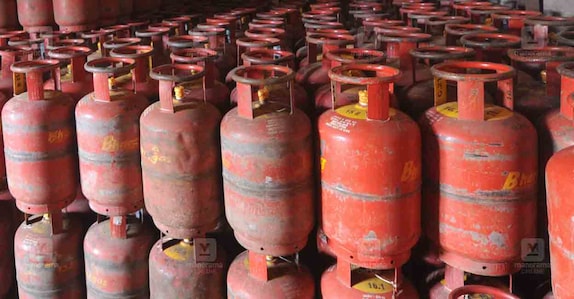
The Government of Kerala has raised the daily allocation of commercial LPG cylinders to 13,433 units, aiming to address supply shortages affecting hotels, restaurants, and related businesses.
The move comes after the state increased its share of commercial LPG distribution to 66 percent, allowing a broader and more structured supply across sectors.
Key Announcements
Kerala currently receives around 26,160 commercial LPG cylinders each day. Under the revised distribution plan, essential services such as hospitals, schools, crematoriums, and community kitchens are being given priority.
Other critical facilities, including IT and industrial canteens, subsidised “Subhiksha” hotels, old-age homes, and orphanages, are also included in the top-priority category.
The hospitality sector—covering hotels, restaurants, bakeries, catering services, fisheries, and food processing units—has been classified as a semi-essential category and allocated 62 percent of the available supply.
Industrial sectors such as steel, textiles, automobiles, and plastics manufacturing have also been assigned a similar share to maintain production continuity.
Official Measures and Implementation
Officials said the revised allocation represents an increase of more than 5,000 cylinders per day compared to the previous week, indicating a significant scale-up in supply.
To ensure effective distribution, oil companies and LPG agencies have been instructed to strictly follow sector-wise quotas. Authorities have also introduced a monitoring system to track supply and prevent diversion.
A grievance redressal mechanism has been set up, enabling businesses—particularly hotel owners—to report shortages or delivery issues through a dedicated toll-free helpline managed from the state Secretariat.
Context and Background
Commercial LPG (liquefied petroleum gas) is widely used by the hospitality industry and small-scale food businesses for cooking and food preparation. Any disruption in supply can directly affect operations, pricing, and service delivery.
Kerala has faced periodic supply constraints in recent weeks, particularly impacting restaurants and catering units that rely heavily on uninterrupted fuel access.
The revised allocation strategy reflects an effort to balance demand between essential public services and economic sectors dependent on LPG.
Public Impact
The increased supply is expected to provide immediate relief to hotels and small businesses that had been struggling with inconsistent LPG availability.
By stabilising fuel access, the government aims to prevent disruptions in food services and reduce operational stress for businesses, especially in urban centres where demand is high.
The prioritisation of essential services also ensures that critical institutions such as hospitals and community kitchens continue functioning without interruption.
What Comes Next
Authorities have indicated that the situation will be reviewed regularly, with further adjustments possible depending on demand and supply conditions.
The introduction of a grievance system and stricter monitoring suggests a more structured approach to LPG distribution, which could help prevent future shortages and improve overall efficiency in the supply chain.
Input & Images: Hindusthan Samachar
Edited by Manten Sasank
Add Digital Herald as preferred source on google – click here
Also read – UP Government to Transfer ₹3,350 Crore via DBT to Nearly 28 Lakh Students
Last Updated on: Monday, March 30, 2026 11:52 am by Mantena Sasank | Published by: Mantena Sasank on Monday, March 30, 2026 11:52 am | News Categories: Trending, News