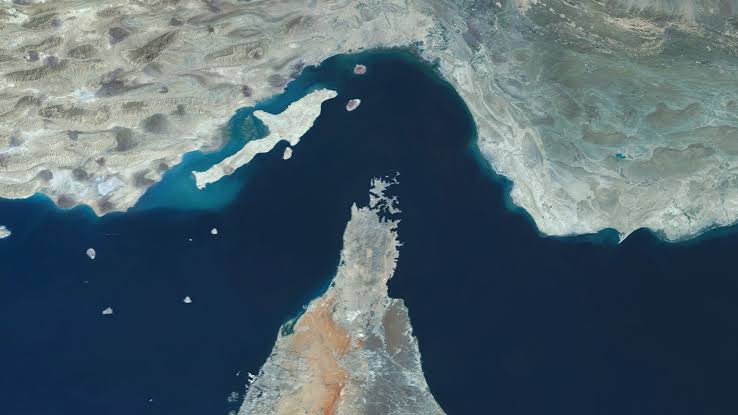
Iran is preparing legislation that could impose tighter controls on shipping through the Strait of Hormuz, including possible restrictions on Israeli-linked vessels, a move that may heighten geopolitical tensions and disrupt global energy markets.
Iran signals stricter maritime controls amid rising regional tensions
Iran is reportedly drafting a new law focused on regulating vessel movement through the Strait of Hormuz, one of the world’s most strategically important maritime corridors.
According to statements attributed to Iranian parliamentary officials, the proposed legislation could introduce new restrictions on ships associated with Israel and impose broader regulatory conditions on vessels from other countries seeking passage through the waterway.
The development comes amid escalating instability in the Middle East and follows recent regional conflicts that have increased concerns over maritime security and global oil flows.
Key provisions under discussion
Potential restrictions on Israeli-linked vessels
Iranian lawmakers have indicated that ships connected to Israel could face direct barriers or additional conditions before being allowed transit through the strait.
Compensation for war-related damages
Draft proposals reportedly include provisions that may require vessels from countries deemed hostile to compensate for conflict-related losses before passage is granted.
Approval requirements for foreign ships
Some reports suggest that ships from other nations may also need prior authorization under the proposed framework.
While the full legal text has not been publicly detailed, the measures indicate a possible shift toward tighter Iranian oversight in one of the busiest energy transit routes in the world.
Why the Strait of Hormuz matters
The Strait of Hormuz connects the Persian Gulf to the Gulf of Oman and is a critical artery for global oil and liquefied natural gas shipments.
A significant portion of the world’s seaborne crude exports passes through this narrow passage, making any policy change there especially important for:
- Global oil prices
- Energy security
- Shipping insurance costs
- Supply chain stability
For countries like India, China, Japan, and many European economies, disruptions in Hormuz could directly affect fuel costs and inflation.
Legal and diplomatic concerns
Iran’s proposed approach is likely to face international scrutiny.
Under established maritime law frameworks, including principles tied to freedom of navigation, unilateral restrictions on international waterways can trigger diplomatic and legal disputes.
Several governments and maritime analysts have previously argued that strategic waterways such as Hormuz are governed by broader international norms, even when they border sovereign states.
Regional and market implications
If enacted and enforced aggressively, the law could:
- Increase shipping delays
- Raise freight and insurance premiums
- Heighten military tensions in Gulf waters
- Trigger volatility in global crude markets
Energy traders closely monitor developments in Hormuz because even the threat of disruption can move oil prices sharply higher.
Iran’s broader strategic message
Iranian officials have framed the proposed law as a national security measure designed to protect strategic interests following recent regional conflicts.
The proposal also reflects Tehran’s growing use of maritime policy as part of its geopolitical leverage in response to military and diplomatic pressure.
What happens next?
The draft law’s final language, parliamentary approval process, and enforcement strategy remain key unknowns.
If the legislation advances, global shipping companies, energy importers, and governments are likely to reassess trade routes, security planning, and diplomatic engagement in the Gulf.
For now, the proposal underscores how developments in the Strait of Hormuz remain central not only to Middle East security but also to the stability of international trade and global energy markets.
Input & Images: Hindusthan Samachar
Edited by Manten Sasank
Add Digital Herald as preferred source on google – click here
Last Updated on: Sunday, May 3, 2026 2:11 pm by Mantena Sasank | Published by: Mantena Sasank on Sunday, May 3, 2026 2:11 pm | News Categories: News, Politics