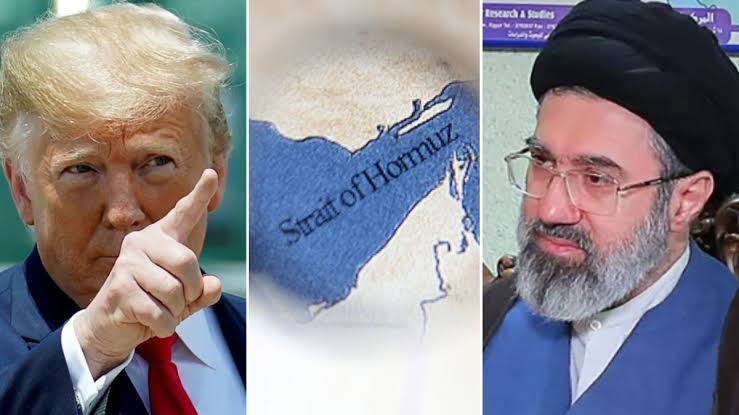
Tensions in the Strait of Hormuz are rising again as Iran warns of retaliation against planned US naval escorts, raising concerns over the stability of a fragile ceasefire and global energy security.
Iran raises alarm over US maritime intervention
Iran has issued a strong warning against the United States’ decision to deploy naval escorts for commercial vessels in the Strait of Hormuz, calling the move a breach of the ceasefire agreed between the two countries last month.
Ebrahim Azizi, head of Iran’s parliamentary national security and foreign policy commission, said any foreign military intervention in the strait would be viewed as a violation of Iran’s sovereignty and could trigger a response.
The Strait of Hormuz, a narrow but critical passage between Iran and Oman, remains central to global oil transportation and geopolitical tensions.
Key developments
US plans naval escorts for commercial shipping
The United States has announced it will begin escorting commercial ships through the Strait of Hormuz, aiming to ensure safe passage amid rising tensions and disruptions.
Iran sees move as escalation
Iran views the US initiative as an intrusion into its territorial and strategic domain, particularly after it imposed restrictions on certain vessels in response to earlier military actions.
Ceasefire under strain
The warning signals growing pressure on a ceasefire that was brokered recently to reduce hostilities in the region, but remains fragile due to unresolved disputes.
Strategic importance of the Strait of Hormuz
The Strait of Hormuz is one of the world’s most vital energy corridors, carrying a significant portion of global oil and liquefied natural gas shipments.
Any disruption in this narrow waterway can directly impact:
- Global fuel prices
- Energy supply chains
- Shipping routes and insurance costs
- Economic stability in importing nations
For countries heavily dependent on oil imports, including India, developments in Hormuz are closely watched.
Background: Escalating tensions and maritime restrictions
The current standoff follows months of escalating tensions between Iran and the United States, including military strikes, maritime restrictions, and competing security measures in the Gulf.
Iran had earlier imposed limits on certain vessels, allowing passage only to those it considered non-hostile, while increasing patrols and oversight in the region.
The US response, including naval escorts, is aimed at maintaining freedom of navigation and protecting commercial shipping.
Global reactions and diplomatic concerns
The situation has drawn international attention, with several countries urging restraint to avoid further escalation.
Western allies have broadly supported measures to secure shipping lanes, while others have raised concerns over unilateral actions that could increase the risk of conflict.
Diplomatic negotiations remain ongoing, but progress has been limited.
Potential impact on global markets
The standoff could have wide-ranging economic consequences if tensions escalate further.
Possible impacts include:
- Increased oil price volatility
- Higher shipping and insurance costs
- Disruptions to global trade routes
- Pressure on inflation in energy-importing countries
Even the threat of instability in Hormuz can influence global commodity markets.
What lies ahead
The situation remains fluid, with both sides signaling readiness to defend their positions.
The future of the ceasefire will depend on diplomatic efforts, military restraint, and negotiations over maritime control and sanctions.
For now, the Strait of Hormuz continues to be a focal point of geopolitical tension, with significant implications for global energy security and international stability.
Input & Images: Hindusthan Samachar
Edited by Manten Sasank
Add Digital Herald as preferred source on google – click here
Also read – Israeli Airstrikes Intensify in Southern Lebanon Despite Truce, Dozens Reported Killed
Last Updated on: Monday, May 4, 2026 11:38 am by Mantena Sasank | Published by: Mantena Sasank on Monday, May 4, 2026 11:38 am | News Categories: News, Politics