Government, Tech Firms, and Auto Industry Discuss AI-Driven Transport Solutions
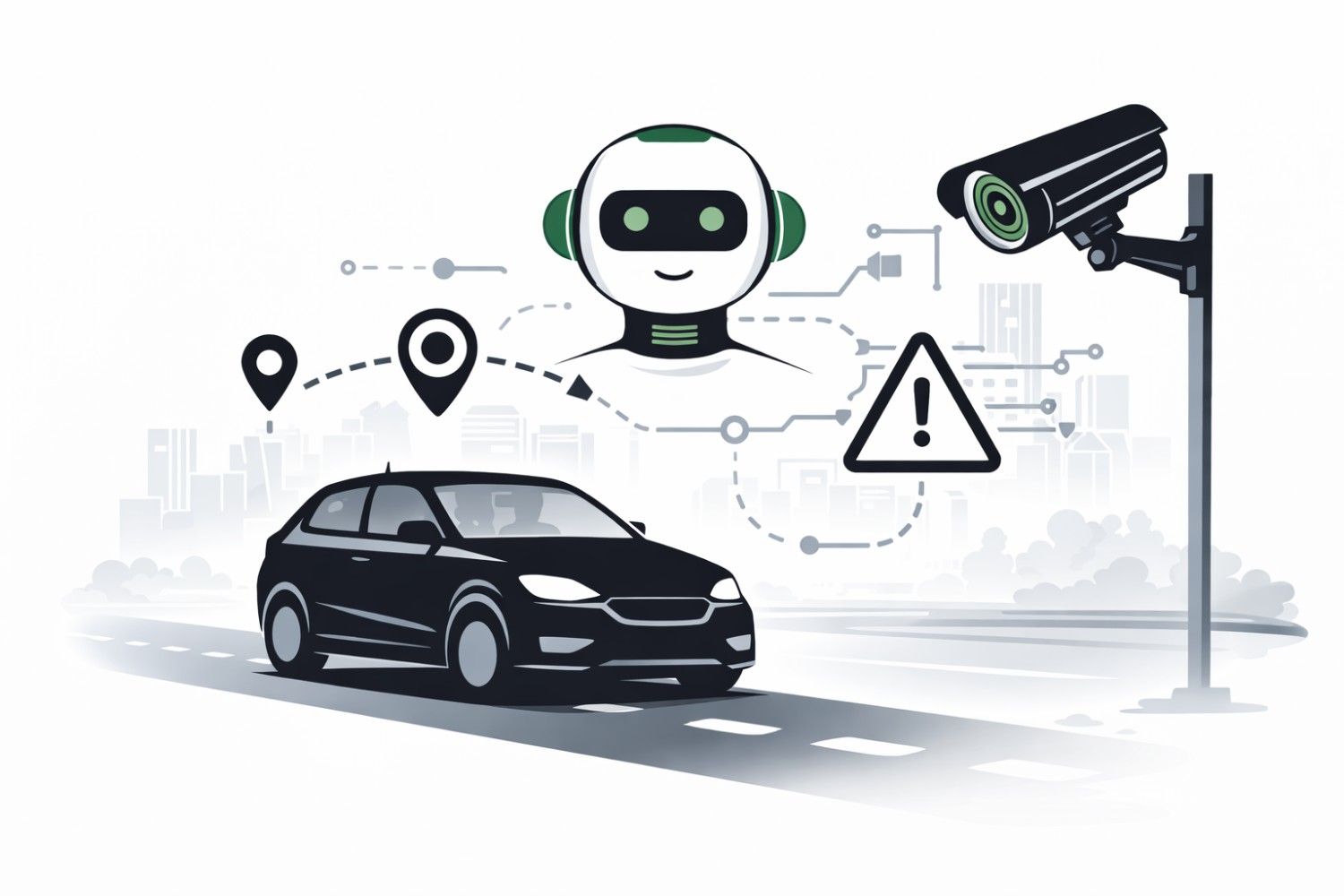
Artificial intelligence and smart mobility solutions took centre stage at the India AI Summit 2026, where policymakers, technology companies, and automobile manufacturers discussed how AI can improve road safety, traffic management, and urban mobility.
The summit, held in New Delhi in February 2026, focused on practical uses of AI in transport systems. Officials highlighted how data-driven technologies could help reduce road accidents, improve traffic flow, and make cities more efficient.
The discussions come at a time when India continues to face high road accident numbers, making AI-based safety solutions a major national priority.
Why AI in Mobility Matters for India
India has one of the largest road networks in the world, along with a rapidly growing number of vehicles. With increasing traffic congestion and accident rates, experts say traditional methods are no longer enough.
At the summit, officials stressed that AI can:
- Predict accident-prone zones
- Monitor traffic in real time
- Improve emergency response systems
- Support safer public transport
- Assist drivers with smart alerts
The focus was on using technology to prevent accidents before they happen, rather than only responding after incidents occur.
Key Themes Discussed at the Summit
1. AI-Powered Traffic Management
One of the main topics was the use of AI in traffic control systems.
Smart traffic lights and AI-based cameras can:
- Adjust signals based on real-time traffic flow
- Detect violations automatically
- Reduce congestion at busy intersections
Several Indian cities are already testing such systems, and the summit highlighted plans to expand them to more urban areas.
Officials said these systems can help reduce travel time, lower fuel consumption, and improve road discipline.
2. Predictive Safety Systems
AI can analyse large amounts of data from roads, vehicles, and weather systems. This helps authorities identify accident-prone areas and take preventive action.
For example, AI tools can:
- Detect risky driving patterns
- Predict crash hotspots
- Send alerts to drivers and traffic control rooms
Such predictive systems could help reduce road fatalities, especially on highways and busy urban roads.
3. Smart Public Transport Solutions
Public transport systems are also expected to benefit from AI integration.
At the summit, experts discussed:
- AI-enabled bus tracking systems
- Demand-based route planning
- Real-time passenger information
- Automated maintenance alerts
These features can improve reliability, reduce waiting times, and encourage more people to use public transport.
4. Advanced Driver Assistance Systems (ADAS)
Another major focus was the growing adoption of Advanced Driver Assistance Systems, commonly known as ADAS.
These systems use AI and sensors to provide features such as:
- Lane departure warnings
- Automatic emergency braking
- Blind-spot detection
- Adaptive cruise control
Automobile manufacturers at the summit said ADAS features are slowly becoming more common even in mid-range vehicles.
Experts believe these technologies could play a major role in reducing human-error accidents.
Role of Data in Smart Mobility
Data is at the core of AI-driven mobility solutions.
At the summit, discussions highlighted the importance of:
- Real-time traffic data
- Vehicle sensor data
- Road condition monitoring
- Weather and environmental data
By combining these data sources, AI systems can make faster and more accurate decisions.
However, officials also stressed the need for strong data privacy and security policies to protect users.
Government Initiatives for Safer Roads
The Indian government is already working on several technology-based road safety projects.
At the summit, officials highlighted ongoing initiatives such as:
- Intelligent traffic management systems in major cities
- AI-based highway monitoring
- Digital driving records and enforcement systems
- Smart tolling and traffic analytics
These projects aim to reduce accidents, improve enforcement, and create a more efficient road network.
Authorities also discussed plans to expand these systems to more cities and highways over the next few years.
Partnerships Between Government and Industry
A key outcome of the summit was the emphasis on public-private partnerships.
Technology companies, startups, and automobile manufacturers are expected to work closely with government agencies to:
- Develop AI-based traffic solutions
- Test smart mobility projects
- Build safer vehicles
- Improve urban transport systems
Several companies showcased AI-powered solutions, including:
- Smart traffic cameras
- Fleet management platforms
- Road safety analytics tools
- Autonomous driving prototypes
Industry leaders said collaboration will be essential to scale these technologies across India.
Challenges in AI-Based Mobility
While AI offers many benefits, experts at the summit also discussed key challenges.
1. Infrastructure Gaps
Many cities still lack the digital infrastructure needed for AI-based traffic systems. Upgrading roads, signals, and sensors will require large investments.
2. Data Integration Issues
AI systems need data from multiple sources, including traffic cameras, vehicles, and weather services. Integrating these systems can be complex.
3. Cost of Technology
Advanced safety features and smart infrastructure can be expensive, especially for smaller cities and low-cost vehicles.
4. Regulatory Framework
Clear policies are needed to regulate:
- Autonomous vehicles
- AI-based decision systems
- Data usage and privacy
Experts stressed the need for balanced regulations that support innovation while ensuring safety.
Future of Autonomous and Connected Vehicles
The summit also touched on the long-term future of mobility.
Discussions included:
- Self-driving vehicle technologies
- Connected car ecosystems
- AI-based fleet operations
- Smart logistics systems
While fully autonomous vehicles are still in early stages in India, experts believe connected and semi-autonomous systems will become more common in the next decade.
Impact on Urban Planning and Smart Cities
AI-based mobility solutions are expected to play a major role in India’s smart city projects.
Urban planners at the summit discussed how AI can help:
- Design better road networks
- Reduce congestion in city centres
- Improve last-mile connectivity
- Optimise public transport routes
Smart mobility is seen as a key part of building efficient, sustainable, and liveable cities.
Opportunities for Startups and Innovation
The AI mobility sector is opening new opportunities for startups.
Areas with strong growth potential include:
- Traffic analytics platforms
- Fleet management software
- AI-based navigation tools
- Electric vehicle charging optimisation
- Road safety applications
Government officials said startup innovation will be critical to solving India’s transport challenges.
What to Expect in the Coming Years
Experts at the summit predicted several trends in the near future:
- Wider use of AI-based traffic systems in major cities
- Increased adoption of ADAS features in vehicles
- Growth of connected and electric vehicles
- More AI-driven public transport solutions
- Stronger regulations for autonomous technologies
These developments could significantly change how people travel in Indian cities.
Bottom Line
AI and smart mobility were among the top priorities at the India AI Summit 2026, with leaders focusing on safer roads and smarter transport systems.
Key takeaways from the summit include:
- AI can help reduce road accidents and congestion
- Smart traffic systems are expanding across cities
- ADAS and connected vehicles are gaining ground
- Public-private partnerships will drive innovation
As India’s vehicle numbers continue to grow, AI-powered mobility solutions are expected to play a central role in building safer, more efficient roads in the coming years.
Disclaimer: The information presented in this article is intended for general informational purposes only. While every effort is made to ensure accuracy, completeness, and timeliness, data such as prices, market figures, government notifications, weather updates, holiday announcements, and public advisories are subject to change and may vary based on location and official revisions. Readers are strongly encouraged to verify details from relevant official sources before making financial, investment, career, travel, or personal decisions. This publication does not provide financial, investment, legal, or professional advice and shall not be held liable for any losses, damages, or actions taken in reliance on the information provided.
Last Updated on: Monday, February 16, 2026 1:25 pm by Digital Herald Team | Published by: Digital Herald Team on Monday, February 16, 2026 1:25 pm | News Categories: Automobile