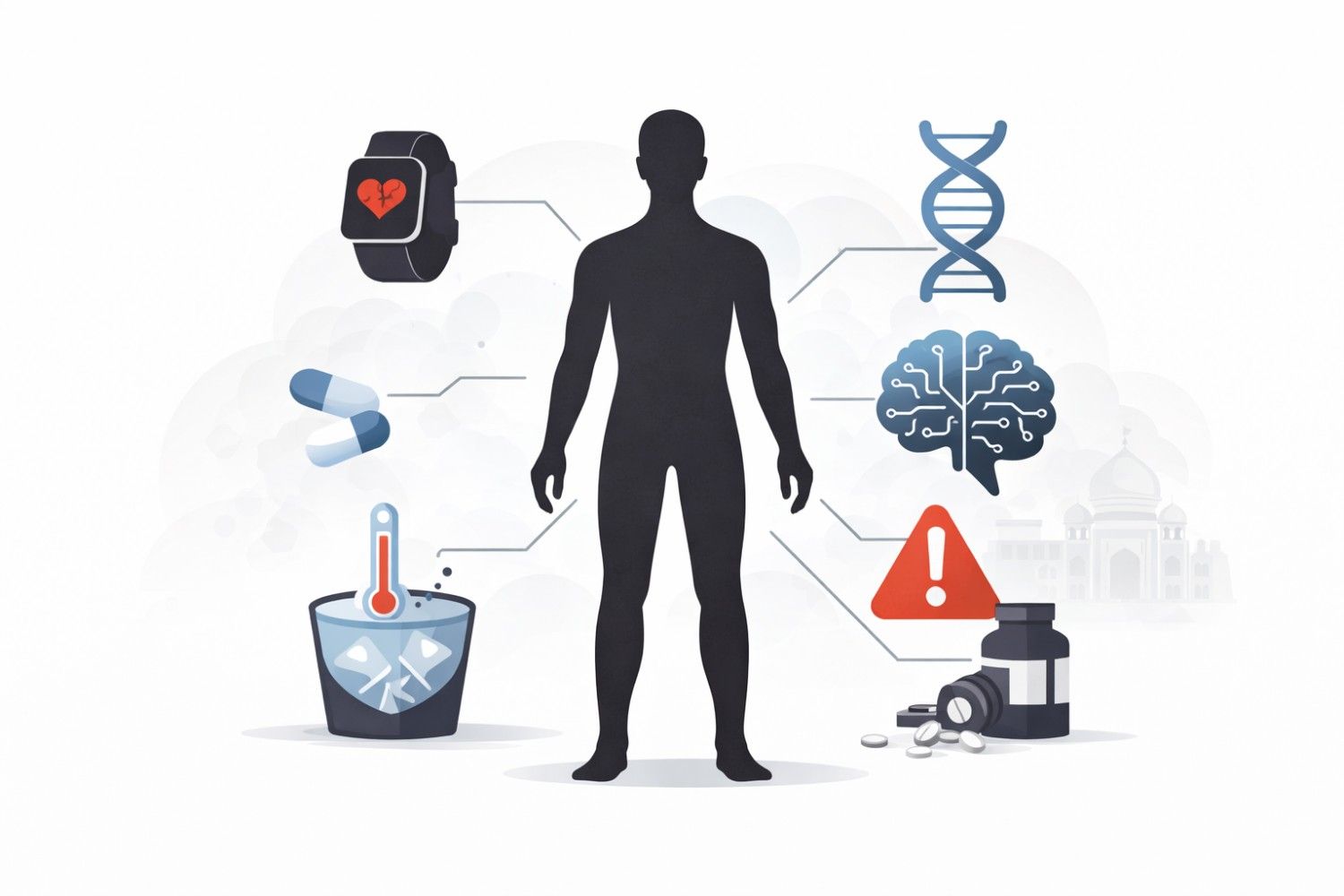
Biohacking is moving from niche communities into the mainstream in 2026, with more people experimenting to improve health, energy, sleep, and mental focus. From wearable devices and diet tracking to supplements and genetic testing, biohacking is becoming a popular topic across health forums, social media, and wellness startups.
The trend matters today because biohacking sits at the intersection of health, technology, and lifestyle. While some methods promise better productivity and longer life, medical experts are warning that not all practices are safe or scientifically proven.
As interest grows in India and globally, understanding the benefits and risks has become essential.
What Is Biohacking and Why It Is Gaining Attention
Biohacking refers to the practice of using science, technology, and lifestyle changes to improve the body and mind. In simple terms, it means making small or large changes to daily habits to boost performance and well-being.
In 2026, biohacking is gaining attention because of greater access to health data. Wearables, health apps, and smart devices now track sleep, heart rate, blood sugar, and stress levels in real time. This data allows users to experiment with food, exercise, and routines.
The rise of remote work and high-pressure lifestyles has also pushed people to look for ways to improve focus, reduce stress, and stay healthy.
Popular Biohacking Trends in 2026
Several biohacking practices are seeing strong growth this year. Many of them focus on everyday habits rather than extreme experiments.
One major trend is wearable-driven health optimisation. Smart rings, watches, and patches track sleep cycles, oxygen levels, and recovery scores. Users then adjust routines based on the data.
Another growing area is diet-based biohacking. People are experimenting with time-restricted eating, personalised nutrition plans, and glucose monitoring to understand how food affects energy and mood.
Mental performance biohacking is also expanding. Meditation apps, breathing techniques, and sound-based focus tools are widely used to manage stress and improve concentration.
Supplements and Nootropics Gain Popularity
Supplements remain one of the most talked-about areas in biohacking. In 2026, there is rising interest in vitamins, minerals, probiotics, and plant-based compounds linked to brain health and immunity.
Nootropics, often described as cognitive enhancers, are being used by students and professionals to improve memory and focus. These include caffeine alternatives, herbal extracts, and amino acid blends.
Experts note that while some supplements are backed by research, many products sold online lack strong scientific evidence. Overuse or mixing supplements without guidance can also cause side effects.
Sleep Optimisation Becomes a Key Focus
Sleep biohacking has become one of the safest and most accepted areas of the trend. People are using data from wearables to improve sleep quality rather than just sleep duration.
Common practices include adjusting bedtime routines, reducing screen exposure, controlling room temperature, and using light-based alarms.
Experts generally support sleep optimisation because better sleep is linked to improved immunity, mental health, and long-term wellness. However, they warn against obsessing over sleep scores, which can increase anxiety.
Cold Exposure and Heat Therapy Trends
Cold showers, ice baths, and heat therapy are becoming popular biohacking practices in gyms and wellness centres. Supporters claim benefits such as improved circulation, faster muscle recovery, and better stress tolerance.
Heat therapy, including saunas, is also gaining popularity for relaxation and cardiovascular health.
Medical professionals say these practices can be helpful for some people but are not suitable for everyone. Individuals with heart conditions or blood pressure issues should be cautious.
Genetic Testing and Personal Health Data
Genetic testing is another growing area in biohacking. Some companies offer tests that claim to provide insights into nutrition, fitness response, and disease risk.
In 2026, interest in personalised health plans based on genetic data is increasing. However, experts warn that genetic information can be complex and easily misunderstood.
Without professional guidance, users may make unnecessary lifestyle changes or develop health anxiety based on incomplete data.
Biohacking and Mental Health
Mental health has become a major focus within biohacking communities. Many practices aim to reduce anxiety, improve mood, and boost emotional resilience.
Popular methods include mindfulness training, controlled breathing, journaling, and digital detox routines.
Mental health experts support these low-risk approaches but caution against replacing professional care with self-experiments, especially for people with diagnosed conditions.
Risks and Concerns Raised by Experts
While biohacking can encourage healthy habits, experts highlight several risks. One major concern is self-experimentation without medical supervision.
Extreme fasting, unregulated supplements, and hormone manipulation can lead to serious health issues. Online advice is often based on personal experience rather than scientific evidence.
There is also concern about misinformation spreading through social media, where trends can go viral without proper safety checks.
Regulation and Safety Gaps
In many countries, including India, biohacking exists in a grey area. Supplements and wellness devices are often not regulated as strictly as medicines.
This creates challenges for consumers trying to identify safe and effective products. Experts suggest that clearer guidelines and stronger quality checks are needed as the industry grows.
Health authorities continue to advise people to consult doctors before starting any major biohacking practice.
Biohacking in India: Growing but Cautious Adoption
In India, biohacking is growing mainly among urban professionals, fitness enthusiasts, and technology users. Interest is highest in wearable technology, diet tracking, and stress management tools.
Cost remains a barrier for advanced biohacking tools, which can be expensive. As a result, simpler practices such as sleep improvement, nutrition changes, and exercise tracking are more common.
Indian doctors generally support lifestyle-based improvements but warn against copying trends without understanding individual health needs.
The Role of Technology and AI
Technology is playing a central role in shaping biohacking in 2026. AI-driven health apps now offer personalised suggestions based on user data.
These tools can help identify patterns and suggest changes, but experts say they should complement, not replace, medical advice.
As technology improves, the line between wellness tools and medical devices is becoming less clear.
What Experts Recommend for Safe Biohacking
Health experts agree that the safest form of biohacking focuses on basic lifestyle improvements. These include regular sleep, balanced nutrition, physical activity, and stress management.
They advise starting small, tracking changes carefully, and avoiding extreme practices. Consulting healthcare professionals before using supplements or advanced techniques is strongly recommended.
Biohacking should support long-term health rather than quick results.
What the Future Holds for Biohacking
Looking ahead, biohacking is expected to become more structured and evidence-based. Research-backed tools, clearer regulations, and professional involvement could improve safety.
There may also be greater integration between traditional healthcare and personal health technology, creating more personalised care models.
However, experts stress that science must guide innovation to prevent harm.
Bottom Line
Biohacking in 2026 reflects a growing desire to take control of health and performance using technology and lifestyle changes. While many trends promote healthier habits, experts warn that not all practices are safe or proven.
For Indian consumers, the key is balance. Simple, science-backed habits offer real benefits, while extreme experiments carry risks. As biohacking continues to evolve, informed choices and medical guidance remain essential.
Disclaimer: The information presented in this article is intended for general informational purposes only. While every effort is made to ensure accuracy, completeness, and timeliness, data such as prices, market figures, government notifications, weather updates, holiday announcements, and public advisories are subject to change and may vary based on location and official revisions. Readers are strongly encouraged to verify details from relevant official sources before making financial, investment, career, travel, or personal decisions. This publication does not provide financial, investment, legal, or professional advice and shall not be held liable for any losses, damages, or actions taken in reliance on the information provided.
Last Updated on: Friday, February 13, 2026 2:10 pm by Digital Herald Team | Published by: Digital Herald Team on Friday, February 13, 2026 2:10 pm | News Categories: Lifestyle