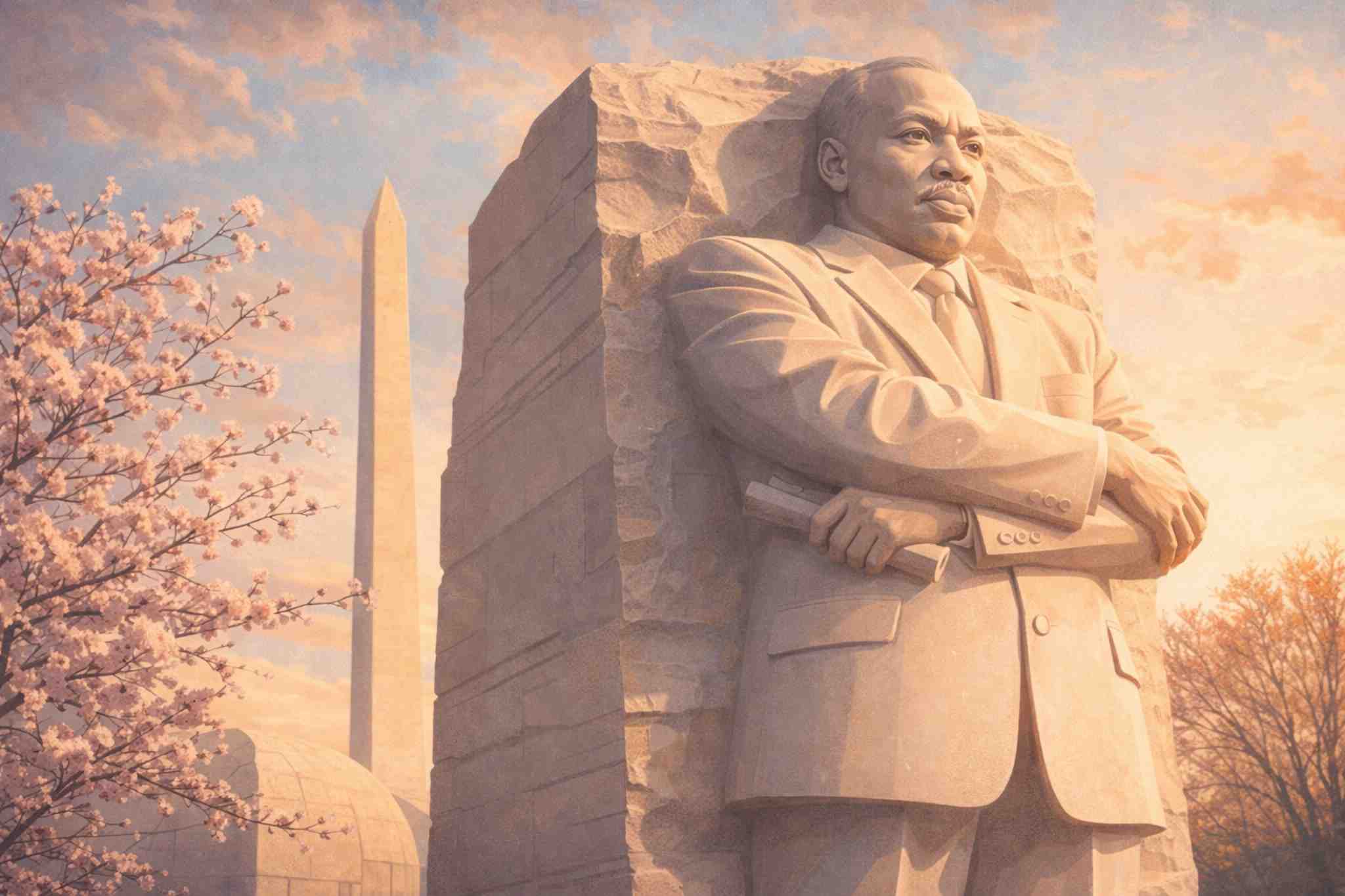
Dr. Martin Luther King Jr. Day is more than a federal holiday in the United States—it is a day of reflection, remembrance, and responsibility. Observed annually on the third Monday of January, the holiday honors the life and legacy of Martin Luther King Jr., whose leadership and vision helped shape the modern civil rights movement.
As communities across the country pause to commemorate his work, the day serves as both a tribute to past progress and a reminder of the work that still lies ahead.
The History Behind Dr. Martin Luther King Jr. Day
Dr. Martin Luther King Jr. Day was officially recognized as a federal holiday in 1983 and first observed nationwide in 1986. The decision followed years of advocacy by civil rights leaders and citizens who believed King’s contributions deserved national recognition.
The holiday was created not only to honor King’s achievements, but also to preserve the ideals he stood for—justice, equality, and nonviolent social change.
Who Was Dr. Martin Luther King Jr.?
Dr. King was a Baptist minister and civil rights leader who became the face of the fight against racial segregation and discrimination in the 1950s and 1960s. Through peaceful protest, powerful speeches, and moral leadership, he challenged systemic injustice and inspired millions.
His famous “I Have a Dream” speech remains one of the most influential moments in American history, symbolizing hope and the pursuit of equality.
Why Dr. Martin Luther King Jr. Day Is a Day of Service
Unlike many holidays, Dr. Martin Luther King Jr. Day is widely recognized as a “Day of Service.” Rather than focusing solely on celebration, the day encourages individuals to give back to their communities through volunteer work and civic engagement.
This approach reflects King’s belief that meaningful change comes from collective action and personal responsibility.
How Dr. Martin Luther King Jr. Day Is Observed
Across the United States, Dr. Martin Luther King Jr. Day is marked by a variety of events, including educational programs, marches, community service projects, and public discussions. Schools, organizations, and local governments use the day to highlight civil rights history and promote dialogue about equality and justice.
These observances help ensure that King’s message continues to reach new generations.
The Ongoing Relevance of Dr. Martin Luther King Jr.’s Legacy
Dr. King’s work remains deeply relevant in today’s society. Issues such as racial inequality, voting rights, and social justice continue to shape national conversations. His emphasis on nonviolence, empathy, and moral courage provides guidance in addressing modern challenges.
Dr. Martin Luther King Jr. Day invites reflection on how his principles can be applied to current struggles for fairness and human dignity.
Teaching the Next Generation About Dr. Martin Luther King Jr. Day
Education plays a key role in preserving King’s legacy. Many schools use the holiday as an opportunity to teach students about civil rights history, peaceful protest, and the importance of standing up for equality.
By learning about Dr. King’s life and values, young people gain a deeper understanding of their role in shaping a more just society.
Dr. Martin Luther King Jr. Day is not only a moment to honor a historic leader—it is a call to action. The holiday challenges individuals and communities to reflect on progress made, acknowledge ongoing injustices, and commit to building a future rooted in equality and respect.
By remembering Dr. King’s legacy and living out his values, the spirit of Dr. Martin Luther King Jr. Day continues far beyond a single day on the calendar.
Also read :https://digitalherald.in/bo-nix-the-journey-growth-and-nfl-potential-of-a-modern-quarterback/
Last Updated on: Monday, January 19, 2026 3:38 pm by Mantena Sasank | Published by: Mantena Sasank on Monday, January 19, 2026 3:38 pm | News Categories: Trending, News