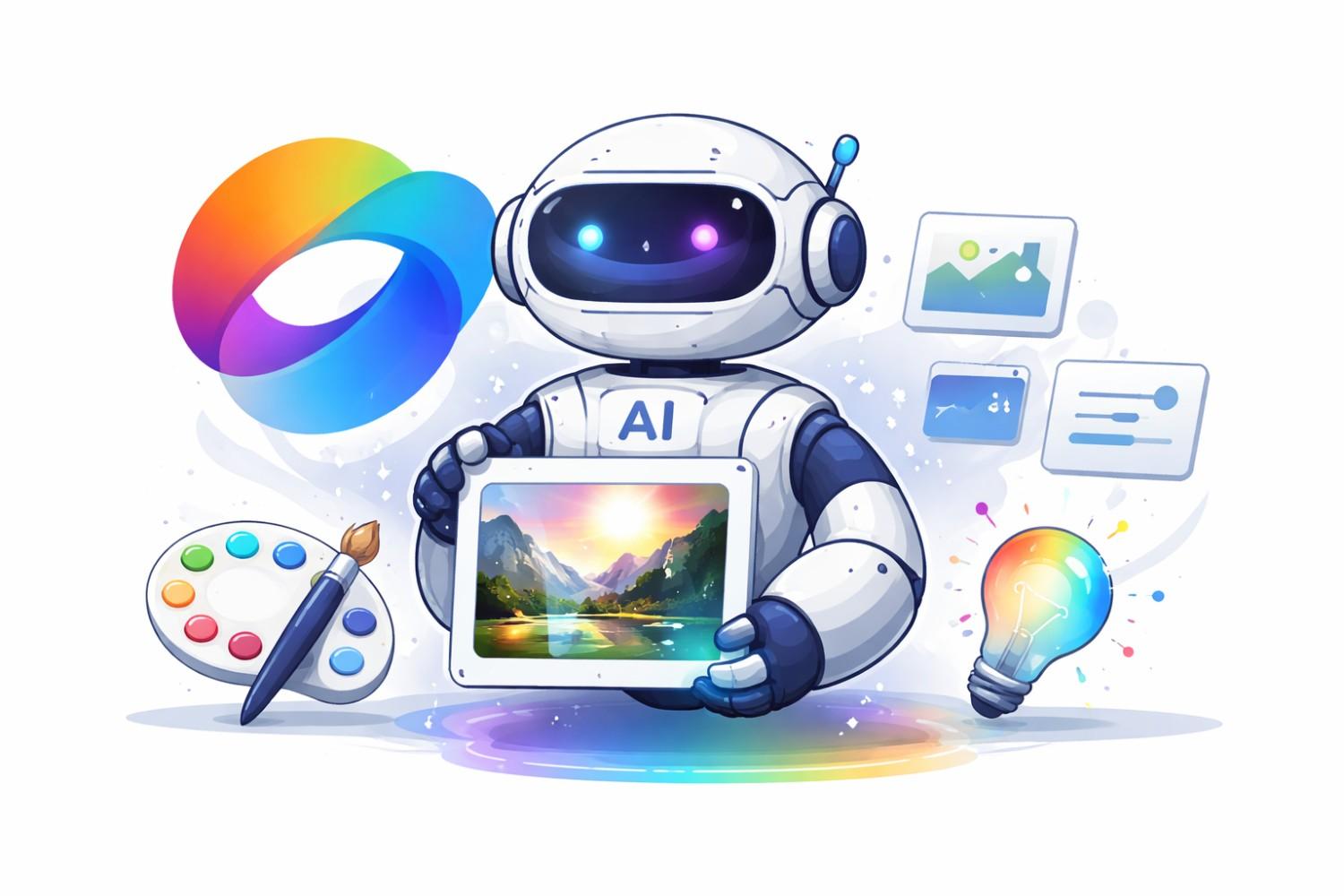
Google has introduced a new AI image model called “Nano Banana 2” with integration into its Gemini ecosystem, marking another step in its fast-moving artificial intelligence strategy. The update strengthens Google’s focus on multimodal AI, where text, images, and other formats work together inside one system.
The rollout is significant because AI image tools are becoming central to search, content creation, advertising, and mobile experiences. With tighter Gemini integration, Google is aiming to make image generation and editing more seamless across its platforms.
Here is a detailed look at what this update means and why it matters.
What Is Nano Banana 2?
Nano Banana 2 is an AI image model developed by Google. It is designed to generate and refine images using text prompts. The model builds on earlier experimental image systems and is now being positioned more closely with Google’s Gemini AI family.
AI image models convert written instructions into visuals. Users can type prompts describing scenes, styles, or objects. The system then produces an image based on that input.
Nano Banana 2 is expected to focus on faster processing and improved image quality compared to earlier lightweight models. Its integration into Gemini allows it to function as part of a larger AI workflow.
Gemini Integration: Why It Matters
Gemini is Google’s advanced AI model family that powers chat-based tools, writing support, coding help, and image-related tasks. By integrating Nano Banana 2 with Gemini, Google is connecting image generation with conversational AI.
This means users may be able to:
Generate images directly within Gemini chat
Refine images using follow-up prompts
Edit visuals with simple text instructions
Combine text, image, and data tasks in one session
Multimodal AI is now a core focus for major tech companies. Instead of separate tools for writing, design, and research, companies are building unified systems.
Gemini integration places Nano Banana 2 inside that broader ecosystem.
Google’s Expanding AI Strategy
Google has been expanding its AI capabilities rapidly over the past two years.
The company has launched multiple Gemini models, improved Search with AI summaries, and introduced generative tools across Android and Workspace.
AI image generation is now a competitive field. Companies like OpenAI and others offer text-to-image tools. Google’s move ensures it remains active in this space.
By rolling out Nano Banana 2, Google signals that image generation is not just a side feature but part of its main AI roadmap.
Focus on Lightweight and Efficient Models
The name “Nano” suggests a focus on smaller, efficient AI systems. Lightweight models are designed to run faster and possibly work on mobile devices or with lower computing power.
This matters in countries like India, where many users access services on smartphones rather than high-end desktops.
If Nano Banana 2 is optimized for speed and efficiency, it could support:
On-device image editing
Faster image generation in chat tools
Lower latency responses
Efficiency is becoming as important as raw power in AI development.
Use Cases for Indian Users
For Indian creators, students, and small businesses, AI image tools are increasingly useful.
Graphic designers can use AI to draft concepts quickly.
Teachers can create visual aids for lessons.
Social media managers can generate promotional images.
Small brands can design product visuals without hiring large teams.
If integrated directly into Gemini, users may not need to switch between multiple apps.
This convenience is likely to increase adoption.
How It May Connect With Google Workspace
Google has already introduced AI tools inside Gmail, Docs, Slides, and Sheets through Gemini support.
With Nano Banana 2, image generation may become easier inside presentations and documents.
For example:
Users could generate slide images from text.
Marketing teams could create visuals inside Google Slides.
Reports could include AI-generated charts or illustrations.
If rolled out widely, this could change how content is created in professional settings.
Safety and Content Controls
AI image models raise questions about misuse, misinformation, and deepfakes.
Google has previously said it applies safety filters and watermarking techniques to AI-generated content. Responsible AI deployment is now a major industry concern.
Content moderation systems are typically used to block harmful prompts. Watermarking and metadata tagging help identify AI-generated images.
Any public rollout of Nano Banana 2 within Gemini would likely follow Google’s existing AI safety policies.
For users, this means restrictions may apply to sensitive content generation.
Competitive Landscape in AI Image Models
The AI image generation space is highly competitive.
Companies are focusing on:
Higher image realism
Better prompt understanding
Faster generation time
Improved editing tools
Google’s advantage lies in integration. Instead of offering a standalone tool, it can embed image generation into Search, Android, Chrome, and Workspace.
This ecosystem approach could give it a wider reach than independent AI startups.
Impact on Search and Content Creation
AI-generated visuals are already influencing online publishing.
Newsrooms, bloggers, and marketers increasingly use AI tools to create illustrations and graphics. However, professional platforms still require transparency and accuracy.
For Google, integrating image generation with Gemini could eventually impact how search results are displayed.
AI summaries in search may include generated visuals in the future. While there is no official confirmation of such changes in this rollout, multimodal AI makes such possibilities more feasible.
Indian publishers and digital creators will be watching these developments closely.
Mobile and Android Ecosystem Potential
India is one of Google’s largest Android markets.
If Nano Banana 2 supports lightweight processing, it could enhance Android-based AI features.
Potential areas include:
AI wallpapers
Instant image editing
Visual content suggestions in messaging apps
On-device AI reduces reliance on constant internet connectivity. This is important in regions with variable network speeds.
Developer and Enterprise Opportunities
AI tools are also valuable for developers.
If Google provides API access to Nano Banana 2, developers could integrate image generation into their own apps.
E-commerce platforms could auto-generate product visuals.
EdTech apps could create diagrams instantly.
Marketing platforms could offer automated creative assets.
Enterprise adoption will depend on pricing, access tiers, and usage policies. As of now, detailed commercial terms would need to be confirmed through official announcements.
Challenges and Open Questions
While the rollout is notable, several questions remain.
Will Nano Banana 2 be available globally at once?
Will it be free for general users or limited to premium tiers?
How does it compare in quality to competing AI image models?
Google typically introduces new AI features in phases. Wider availability may depend on region and product category.
Users should rely only on official announcements from Google regarding feature access and pricing.
Broader AI Trend in 2026
The AI race is no longer limited to chatbots. Image, video, and voice generation are now key battlegrounds.
Major companies are investing in multimodal systems that handle multiple content types.
Google’s integration of Nano Banana 2 into Gemini reflects this broader shift.
Instead of separate AI tools, the future likely lies in unified platforms that manage text, visuals, and data together.
What Indian Users Should Watch
For Indian users, the most important factors will be:
Availability in the region
Language support
Ease of use on mobile devices
Data privacy policies
As AI tools become more common, digital literacy will also play a key role. Users must understand how AI-generated visuals are created and how to use them responsibly.
Conclusion
Google’s rollout of Nano Banana 2 with Gemini integration marks another step in its expanding AI strategy.
The update strengthens Google’s position in AI image generation and multimodal technology.
For Indian users, the impact could be significant if the model becomes widely available across Android, Workspace, and web platforms.
As AI tools continue to evolve, integration, speed, and safety will determine which platforms lead the next phase of digital innovation.
For now, Nano Banana 2 signals that Google is doubling down on image-based AI within the Gemini ecosystem.
Disclaimer: The information presented in this article is intended for general informational purposes only. While every effort is made to ensure accuracy, completeness, and timeliness, data such as prices, market figures, government notifications, weather updates, holiday announcements, and public advisories are subject to change and may vary based on location and official revisions. Readers are strongly encouraged to verify details from relevant official sources before making financial, investment, career, travel, or personal decisions. This publication does not provide financial, investment, legal, or professional advice and shall not be held liable for any losses, damages, or actions taken in reliance on the information provided.
Edited by mantena sasank
Last Updated on: Friday, February 27, 2026 11:33 am by Digital Herald Team | Published by: Digital Herald Team on Friday, February 27, 2026 11:33 am | News Categories: Technology