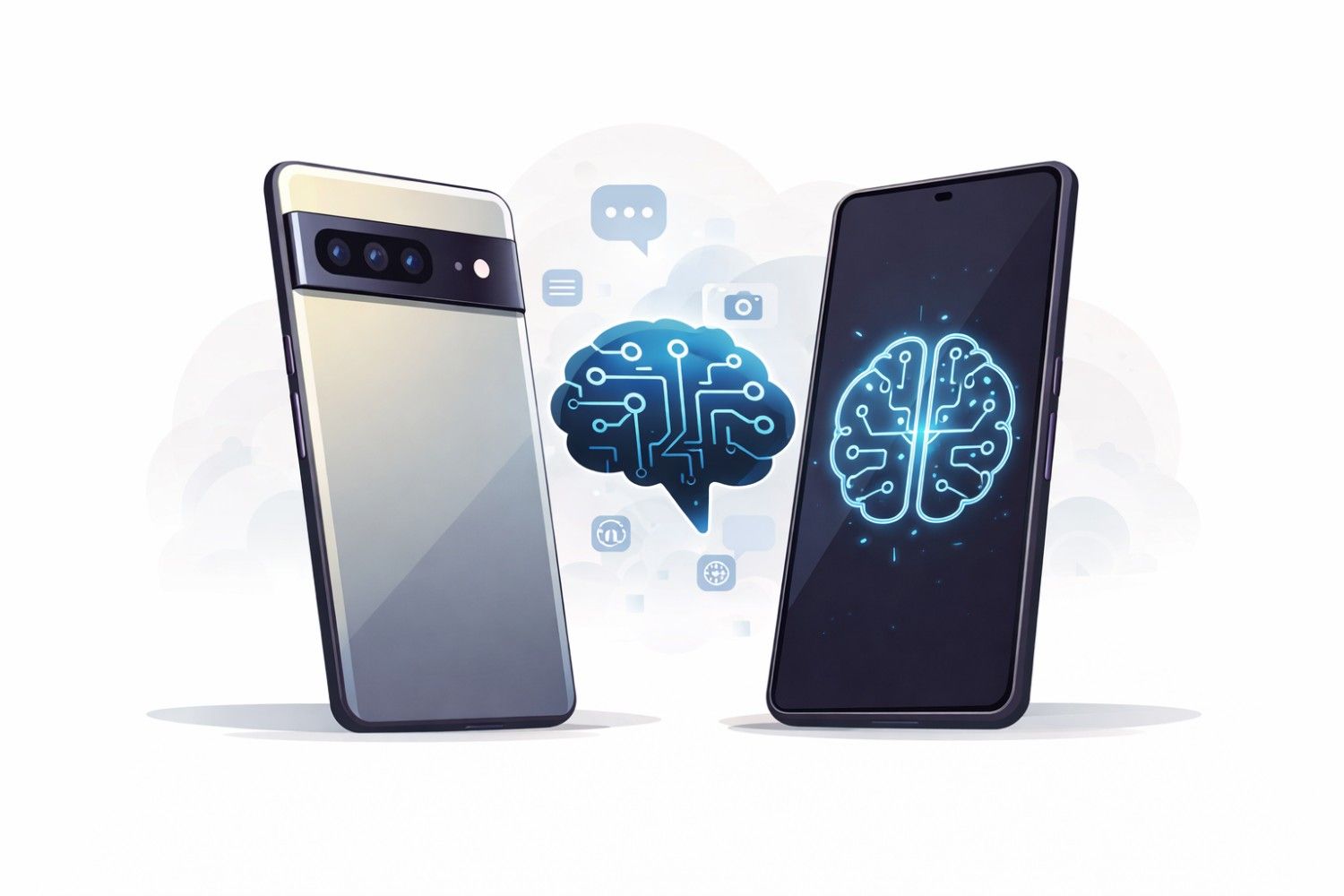
The global smartphone market is preparing for a new wave of launches in 2026, with artificial intelligence expected to become the biggest focus area. Devices like the Google Pixel 10 and other upcoming flagship phones are likely to push AI features from simple tools to everyday assistants that shape how people use their phones.
The shift matters because smartphones are no longer just about cameras and processors. In 2026, the main competition among brands is expected to be around on-device AI, smarter assistants, and real-time features that improve daily tasks. For Indian consumers, this change could influence buying decisions, pricing trends, and the overall smartphone experience in the coming year.
Why 2026 Is Being Called the Year of AI Phones
The smartphone industry has already moved toward AI-powered features in recent years. However, 2026 is expected to be the first full year where AI becomes the central selling point for most flagship phones. Manufacturers are focusing on on-device AI processing, real-time translation and summarisation, smarter voice assistants, AI-powered photography, and personalised app suggestions.
Unlike earlier cloud-based AI tools, many 2026 phones are expected to process AI tasks directly on the device. This approach offers faster results and better privacy.
Pixel 10: Expected to Lead Google’s AI Strategy
Google’s Pixel series has become known for its strong focus on software and AI features. The Pixel 10, expected later in 2026, is likely to continue this trend. While official specifications have not been announced, the device is widely expected to feature a new generation of Google’s custom AI-focused processor, advanced on-device AI features, improved camera software, and deeper integration with Google’s AI assistant tools.
Google has already shown its direction with earlier Pixel models, which introduced AI-powered photo editing, call screening, and voice typing. The Pixel 10 is expected to build on these features with more real-time and predictive tools. For users, this could mean a phone that understands context better and performs tasks with fewer commands.
On-Device AI: The Biggest Upgrade in 2026
One of the most important trends in upcoming smartphones is on-device AI processing. In earlier years, AI tasks were handled mainly through cloud servers, which required stable internet connections and sometimes raised privacy concerns.
In 2026, many flagship phones are expected to include dedicated AI chips, faster neural processing units, and offline AI features. This could allow phones to translate conversations instantly, summarise long messages or emails, edit photos using voice commands, and generate text responses in chats. Because these tasks happen on the device, users may see faster performance and better data protection.
Camera AI: Smarter Photos and Videos
Camera technology remains one of the biggest reasons people upgrade smartphones. In 2026, AI is expected to play an even bigger role in photography. Next-generation AI phones may offer real-time scene optimisation, automatic subject tracking, advanced low-light photography, AI video stabilisation, and one-tap photo editing tools.
Instead of manual adjustments, AI systems will automatically improve lighting, colours, and focus. Some phones may also allow users to change backgrounds or remove objects in photos with simple voice commands. Google’s Pixel series has traditionally led in computational photography, and the Pixel 10 is expected to continue this focus.
Smarter Voice Assistants and Daily Tasks
Voice assistants are likely to become more powerful in 2026. Instead of simple commands, AI assistants may handle complex tasks such as booking appointments, drafting messages or emails, summarising documents, managing travel plans, and suggesting reminders based on user behaviour.
These features aim to turn smartphones into personal digital assistants rather than just communication devices.
Battery and Performance Improvements
AI features require strong processing power. To support this, smartphone brands are expected to introduce more efficient chipsets, larger batteries, and faster charging technologies. New processors designed for AI tasks may offer better performance without draining the battery quickly.
For users, this means smoother multitasking, faster app launches, and improved battery life even with heavy AI use.
Display and Design Trends for 2026
While AI is the main focus, hardware upgrades will also continue. Expected design trends for 2026 include slimmer bezels, brighter and more energy-efficient displays, improved durability, and better cooling systems for AI processing.
Foldable phones are also expected to grow in popularity, especially in premium segments. However, most AI-focused features are likely to appear first in traditional flagship smartphones like the Pixel series.
Competition From Other Major Brands
Google will not be the only company pushing AI smartphones in 2026. Other major brands are also expected to launch AI-centric devices. Companies such as Samsung, Apple, OnePlus, Xiaomi, Oppo, and Vivo are investing heavily in AI-powered cameras, smart assistants, real-time language tools, and personalised user experiences.
This competition may lead to faster innovation and more choices for consumers.
Impact on Smartphone Prices in India
AI features often appear first in premium smartphones. As a result, many AI-focused flagships in 2026 may launch in the ₹60,000 to ₹1,00,000+ price range. However, over time, these features are expected to move into mid-range devices as well.
Indian consumers may see more AI features in phones under ₹40,000, better performance in mid-range devices, and increased competition among brands. This could make advanced smartphone technology more accessible.
Software Updates and Long-Term Support
Another important trend in 2026 is longer software support. Many brands are expected to offer up to 5–7 years of security updates, longer Android or iOS upgrade cycles, and regular AI feature updates.
This shift aims to extend the life of smartphones and reduce the need for frequent upgrades. For buyers, longer software support could become a major factor when choosing a phone.
What Indian Buyers Should Watch in 2026
For Indian consumers, the main factors to consider in upcoming AI phones include real-world usefulness of AI features, battery performance, software support period, price-to-performance value, and camera improvements.
Instead of focusing only on hardware specifications, buyers may start comparing phones based on how smart and helpful their AI features are.
The Bigger Shift: Phones Becoming Personal Assistants
The biggest change expected in 2026 is the role of smartphones in daily life. Earlier, phones were mainly used for calls and messages, social media, and photos and videos.
In the coming years, AI may turn smartphones into tools that understand user habits, predict needs, automate daily tasks, and provide real-time assistance. This shift could redefine how people interact with technology.
Launch Timeline to Watch in 2026
While exact dates are yet to be confirmed, major launches are expected across the year. Early 2026 may see flagship launches from major Android brands, mid-2026 could bring new foldable phones and premium AI devices, and late 2026 is the expected launch window for the Pixel 10.
These launches will shape the smartphone market for the next few years.
Bottom Line
The Pixel 10 and other next-generation smartphones in 2026 are expected to focus heavily on artificial intelligence. Instead of just faster processors or bigger cameras, brands are now competing to deliver smarter, more helpful devices.
For Indian users, the coming year could bring phones that translate languages instantly, manage daily tasks, and improve photos automatically. As AI becomes the main feature of flagship devices, 2026 may mark a major turning point in how smartphones are designed and used.
Disclaimer: The information presented in this article is intended for general informational purposes only. While every effort is made to ensure accuracy, completeness, and timeliness, data such as prices, market figures, government notifications, weather updates, holiday announcements, and public advisories are subject to change and may vary based on location and official revisions. Readers are strongly encouraged to verify details from relevant official sources before making financial, investment, career, travel, or personal decisions. This publication does not provide financial, investment, legal, or professional advice and shall not be held liable for any losses, damages, or actions taken in reliance on the information provided.
Last Updated on: Friday, February 13, 2026 1:55 pm by Digital Herald Team | Published by: Digital Herald Team on Friday, February 13, 2026 1:55 pm | News Categories: Technology