President says talks are underway as global energy markets remain disrupted by ongoing tensions
The United States has indicated a possible path toward de-escalation in its ongoing conflict with Iran, with President Donald Trump suggesting that military operations could conclude within weeks. The statement comes amid continued instability in global energy markets following the conflict that began in late February 2026.
Key Developments
President Trump said that discussions aimed at ending hostilities are currently in progress. While he expressed optimism about a resolution, Iranian officials have denied the existence of direct negotiations, stating that only indirect communication through intermediaries is taking place.
The US administration indicated that an agreement may not necessarily require a formal deal, raising the possibility of a quicker de-escalation if both sides reduce military activity.
Official Statement
In an interview, Trump stated that the US aims to exit the conflict as soon as possible, indicating that operations could end within two to three weeks. He emphasized the priority of halting the war rather than negotiating a prolonged settlement.
Iran’s position, however, remains cautious. Officials in Tehran have acknowledged indirect exchanges but continue to reject claims of formal talks, highlighting differences in how both sides describe the diplomatic process.
Strait of Hormuz and Energy Concerns
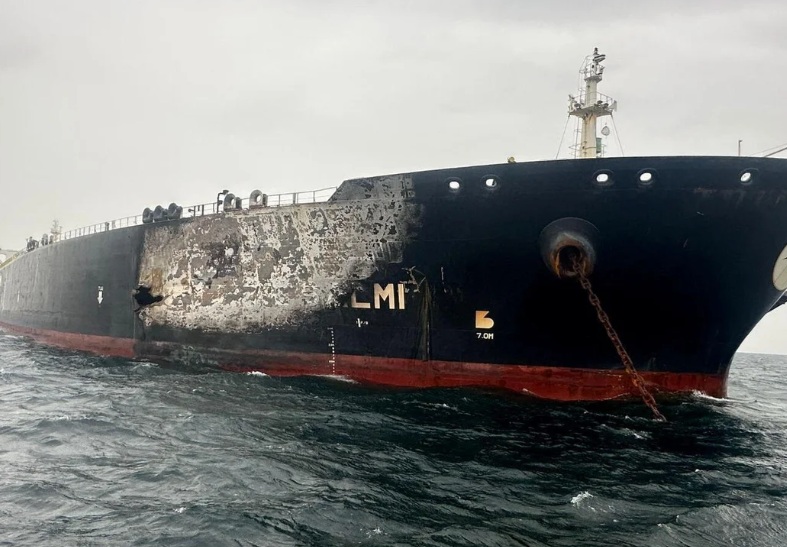
The ongoing conflict has significantly affected the Strait of Hormuz, a critical passage for global oil and gas shipments. Tanker traffic through the route has been severely disrupted, contributing to volatility in international energy markets.
The US has signaled a shift in its approach to securing shipping routes, with Trump stating that countries dependent on Middle Eastern oil should take responsibility for protecting their own supply chains.
Context and Background
The conflict began in late February 2026 and has since escalated into a broader regional crisis involving military actions and retaliatory strikes. The disruption of key energy routes has led to increased oil prices and heightened concerns about global supply stability.
Diplomatic efforts have continued alongside military operations, with multiple countries urging both sides to pursue a ceasefire and avoid further escalation.
Public and Global Impact
The conflict has had far-reaching consequences, particularly for global energy markets. Disruptions in oil supply routes have contributed to rising fuel prices, affecting economies worldwide.
Countries reliant on imports through the Strait of Hormuz are facing increased uncertainty, while businesses and consumers are dealing with the impact of higher energy costs.
Conclusion
While signals of potential de-escalation have emerged, the situation remains uncertain. The coming weeks will be critical in determining whether ongoing diplomatic efforts can translate into a reduction in hostilities.
A resolution to the conflict could ease pressure on global energy markets and reduce geopolitical risks, but much depends on whether both sides move toward sustained engagement.
Input & Images: Hindusthan Samachar
Edited by Manten Sasank
Add Digital Herald as preferred source on google – click here
Also read – Indian Stock Market Crash in March 2026 Wipes Out ₹51 Lakh Crore of Investor Wealth
Last Updated on: Wednesday, April 1, 2026 11:32 am by Mantena Sasank | Published by: Mantena Sasank on Wednesday, April 1, 2026 11:32 am | News Categories: Politics, News