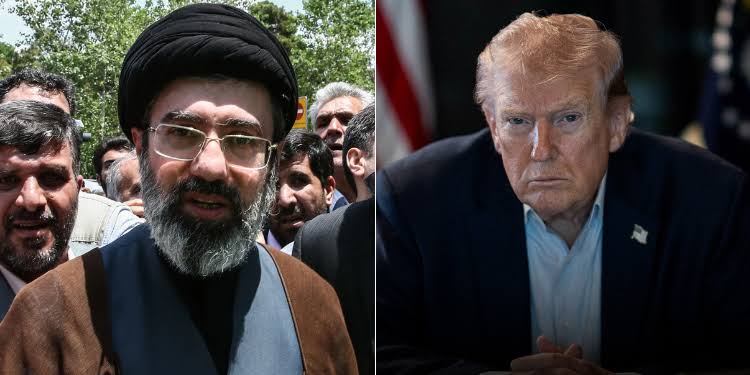
Tehran cites “unreasonable demands” and naval blockade concerns; Washington warns of possible military action if no deal is reached.
Iran has declined to participate in a proposed second round of US-mediated talks, intensifying tensions with Washington just days before the current ceasefire in the Middle East is set to expire on April 22.
Officials in Tehran said negotiations cannot proceed under what they described as shifting US demands and continued military pressure, including restrictions on Iranian maritime activity. The development raises concerns about a potential breakdown of the fragile truce involving the United States, Iran, and regional actors including Israel.
Key Announcements / Highlights
Iranian authorities have rejected reports suggesting that a new round of negotiations would take place in Islamabad, calling such claims inaccurate. State-linked media indicated that Tehran views Washington’s conditions as unrealistic and incompatible with meaningful dialogue.
A major point of contention is the US-imposed naval restrictions targeting Iranian ports and shipping routes. Tehran argues these measures violate the ceasefire framework, while Washington maintains they are necessary for regional security.
Tensions have also risen following reports of a US naval interception of an Iranian-linked vessel, further straining relations between the two sides.
Official Statement
US President Donald Trump has reiterated that Washington remains open to a negotiated settlement but warned of possible large-scale military action if Iran does not accept what he described as a “reasonable” agreement.
Iranian officials, however, have accused the United States of using threats and pressure tactics rather than engaging in good-faith diplomacy. They indicated that any future talks would depend on the removal of maritime restrictions and a more consistent negotiating approach.
Context / Background
The current standoff follows a series of military escalations earlier this year, including US and allied strikes on Iranian targets and subsequent retaliatory actions. A temporary ceasefire was put in place to halt hostilities and allow diplomatic engagement.
The Strait of Hormuz, a critical global shipping route for oil and gas, has remained central to the dispute. Control and access to this corridor have significant implications for global energy markets and regional security.
Public Impact
A breakdown in talks could lead to renewed conflict, affecting millions of civilians in the region and increasing the risk of broader instability. It may also disrupt global oil supplies, potentially leading to higher energy prices and economic uncertainty worldwide.
For countries dependent on energy imports, prolonged tensions could translate into inflationary pressures and supply challenges.
Conclusion
With the ceasefire deadline approaching, diplomatic efforts appear to be at a standstill. The absence of renewed dialogue between Iran and the United States raises the likelihood of escalation unless last-minute negotiations resume.
Observers say the coming days will be critical in determining whether the region moves toward renewed conflict or finds a path back to diplomacy.
Input & Images: Hindusthan Samachar
Edited by Manten Sasank
Add Digital Herald as preferred source on google – click here
Also read – US Announces 10-Day Ceasefire Between Israel and Hezbollah Amid Rising Tensions
Last Updated on: Monday, April 20, 2026 10:17 am by Mantena Sasank | Published by: Mantena Sasank on Monday, April 20, 2026 10:17 am | News Categories: News, Politics